On October 19, the second progress meeting of the "Carbon Neutrality and Energy System Transformation" (CNEST) Multilateral Cooperation Program was successfully held at the Tsinghua University Institute for Carbon Neutrality. Academician He Kebin, a member of the Chinese Academy of Engineering and Dean of the Tsinghua University Institute for Carbon Neutrality, attended and delivered opening remarks. The meeting was chaired by Wang Zhe, Vice Dean of the Tsinghua University Institute for Carbon Neutrality. The session aimed to share the program's phased progress and define key directions for the next stage. Over 50 representatives from research institutions, universities, major state-owned enterprises, and multinational companies participated, including 23 project partner organizations, with 17 units presenting progress reports on-site.
Academician He Kebin emphasized that, against the significant backdrop of China officially releasing its new round of Nationally Determined Contribution (NDC) targets for 2035, the CNEST program has entered a strategic window of opportunity. He pointed out that increasing the share of non-fossil energy to 30% will challenge the operational boundaries of traditional energy systems. This necessitates restructuring the logic of energy systems around "carbon" as the core, leveraging technologies such as artificial intelligence and digital dispatch to address the large-scale integration of new energy sources and the growth in electricity demand. In this context, China has already established significant advantages in new energy development and carbon market advancement, providing directional support for global energy transition and drawing widespread attention from the international community. He Kebin stressed the importance of enhancing communication and coordination among all participating units, building consensus, and increasing overall visibility to lay a solid foundation for the project's smooth transition into the formal implementation phase.
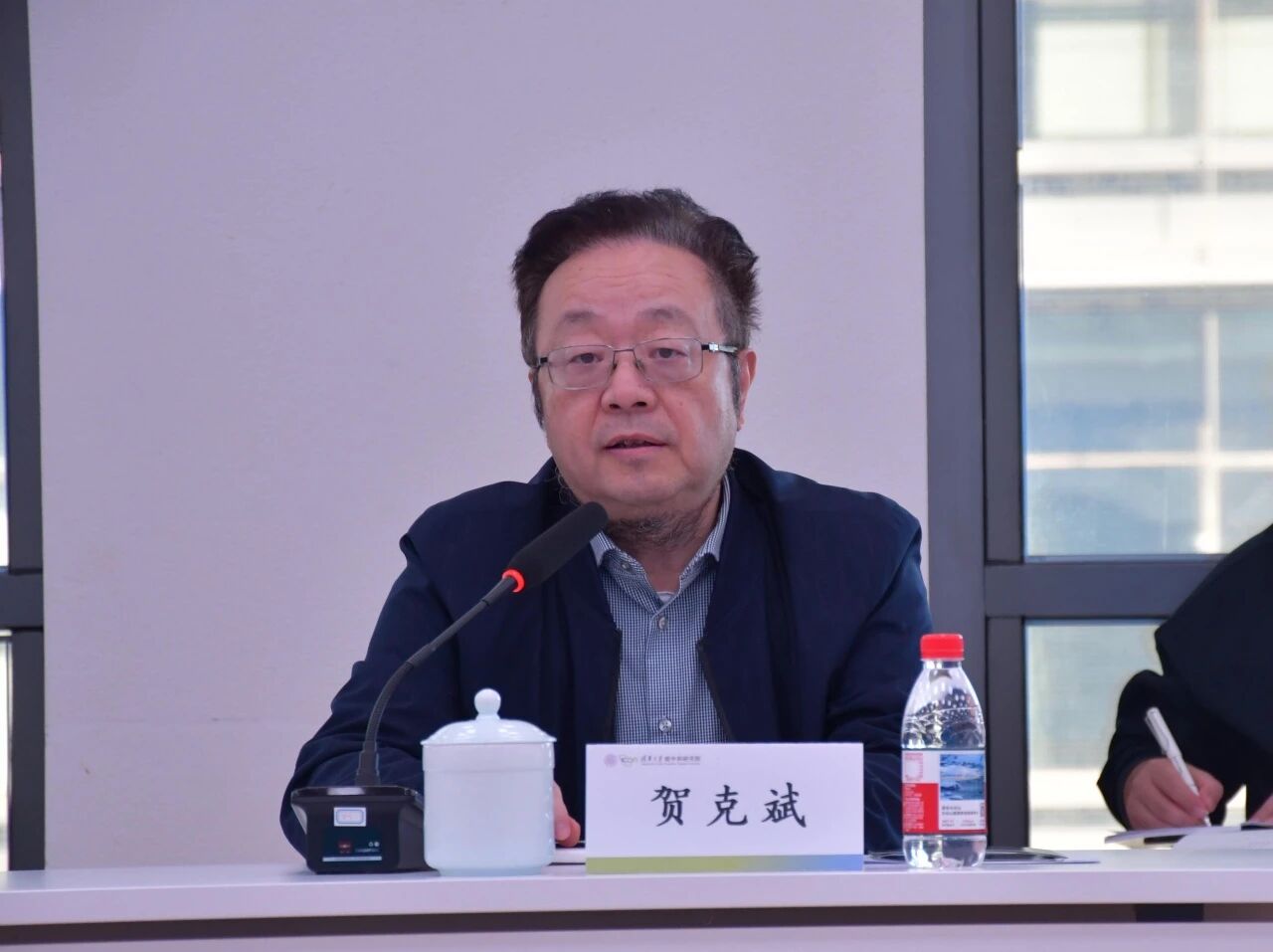
He Kebin Delivering Remarks
During the meeting, participating units discussed key directions for the next phase of work. These include strengthening research across all project task areas, advancing the refinement of scientific questions and the top-level architecture design for the energy smart network system in the future; accelerating the expansion of the international cooperation network by collaborating with international organizations, top universities, and multinational enterprises to further enhance the global influence of the CNEST program; and continuously optimizing the organizational coordination and communication mechanisms among all participating units, advocating for a task force-driven approach to strengthen task coordination and information sharing, ensuring efficient project advancement.
All participating units offered important suggestions and reached broad consensus regarding the project's top-level positioning and outcome pathways. Experts recommended further clarifying the project's ultimate goals and development direction, along with formulating strategic plans centered on these overall objectives. Participants also suggested enhancing coordination and internal synergy among task forces, promoting cross-disciplinary integration across various fields, and improving research efficiency. Additionally, the importance of expanding international cooperation, building physical platforms, and facilitating the translation of results into practical applications was emphasized. Proposals included strengthening partnerships with the United Nations, leading universities, and multinational enterprises, as well as securing support through joint initiatives with local governments or enterprises to enhance the project's sustainability and execution capability.
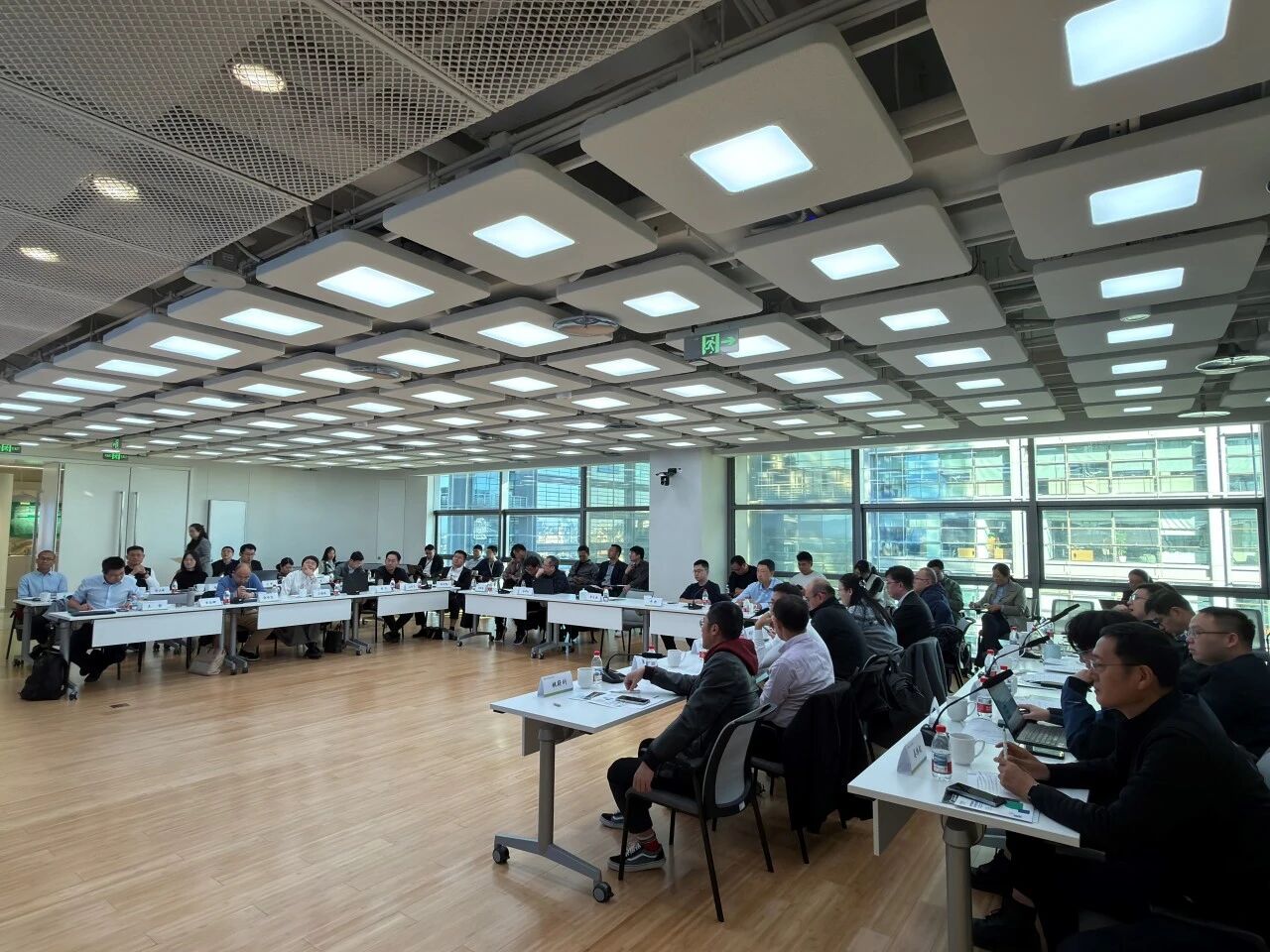
Meeting Venue


 Latest recommendations