On November 11, the 113th Tsinghua Forum and the 10th CNEST Frontier Seminar were successfully held at the Institute for Carbon Neutrality, Tsinghua University(ICON, Tsinghua). This event specially invited Lord Patrick Vallance, Minister of State for Science, Research and Innovation, to deliver a keynote speech titled "UK-China Science Collaboration in an Era of Global Challenges" and engage in in-depth discussions with the faculty and students present. Professor Jiang Peixue, Member of the Chinese Academy of Sciences and Vice Chair of the Tsinghua University Council, attended and delivered remarks. The seminar was chaired by Professor Guan Dabo, Associate Dean of the Institute for Carbon Neutrality, Tsinghua University.
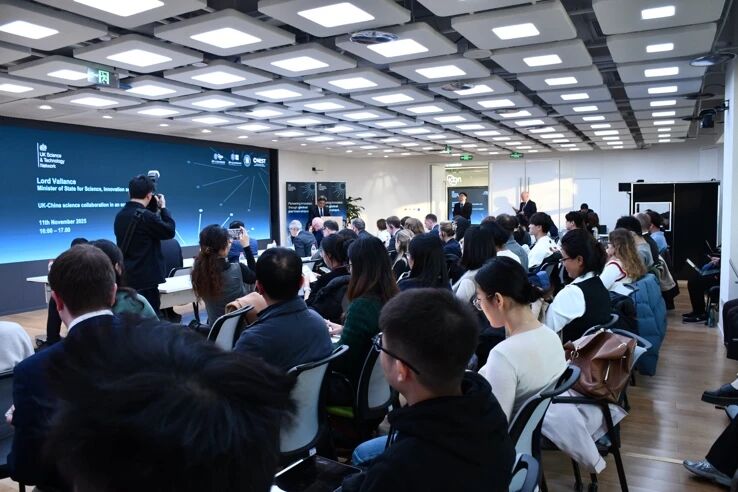
Seminar Scene
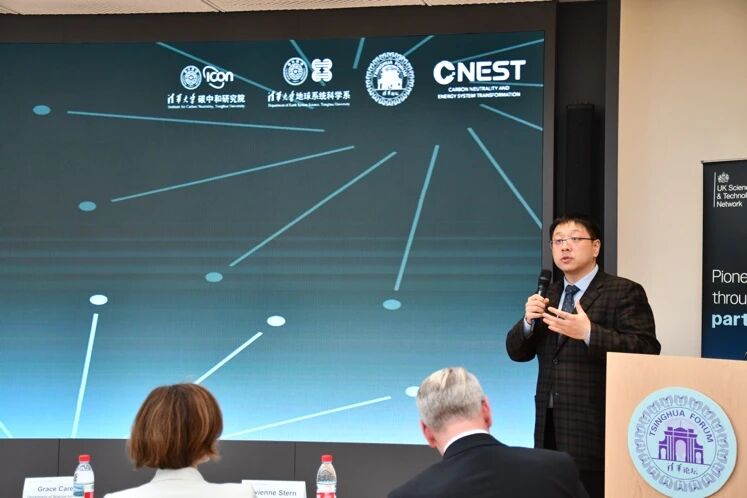
Guan Dabo Chairing the Seminar
In his opening remarks, Professor Jiang Peixue pointed out that in the face of global challenges such as climate change, energy transition, and sustainable development, scientific collaboration and technological innovation are key to finding solutions. Tsinghua University is consistently dedicated to promoting interdisciplinary research and international coordination. It has taken the lead in launching the "Carbon Neutrality and Energy System Transformation" multilateral collaboration program and has signed MOUs with UK universities including the University of Cambridge, University College London, the University of Surrey, and the University of Leeds, jointly exploring new pathways for low-carbon transition. He emphasized, "Science knows no borders, and innovation knows no bounds." Only by pooling global wisdom can we build a sustainable future together.
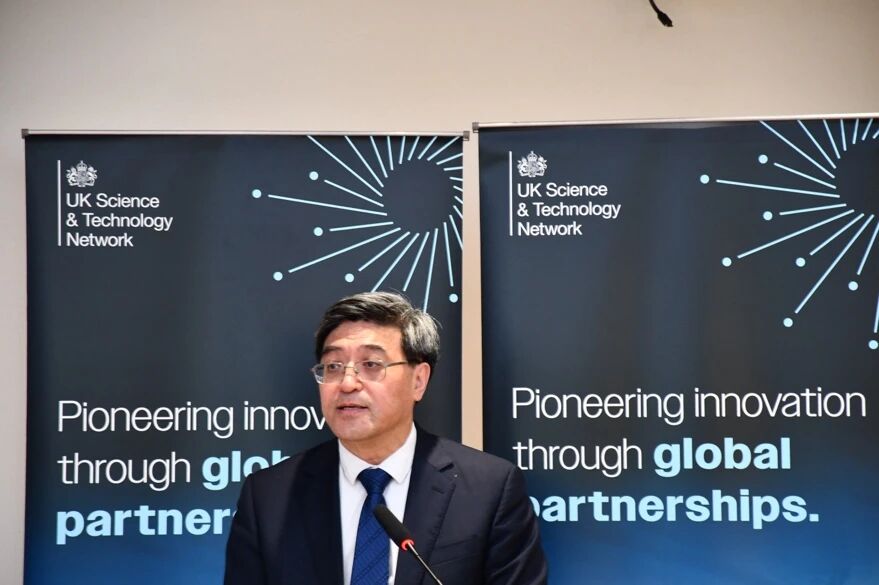
Jiang Peixue Delivering Remarks
In his speech, Lord Patrick Vallance noted that in the face of global issues such as climate change and aging populations, international cooperation is becoming increasingly important. As global powerhouses in scientific research, the UK and China should join hands to advance human progress through technology and innovation. He reviewed the fruitful outcomes of UK-China scientific collaboration: the citation impact of papers co-authored by scholars from both countries is three times the global average; in the field of public health, both sides have made significant breakthroughs in rapid COVID-19 testing and antimicrobial resistance research; and both nations rank among the top ten globally in innovation. The UK is increasing its investment in science through the "UK Science and Technology Framework," strengthening its research base, supporting applied science, attracting global talent, and deepening international cooperation to contribute to shared growth and sustainable development.
Lord Vallance acknowledged that international scientific collaboration still faces challenges such as cultural differences, time zone gaps, and disparate regulatory mechanisms, but it is precisely because of the complexity of these issues that cooperation and dialogue are even more necessary. He revealed that that morning, he co-chaired the 11th meeting of the UK-China Joint Committee on Science and Technology Cooperation with Chen Jiachang, China's Vice Minister of Science and Technology. Both sides agreed to continue deepening their science and technology partnership and identified key areas including climate change and the environment, planetary science and astronomy, health, and agriculture and food research as priority directions for future joint research.
Concluding his speech, Lord Vallance emphasized that if UK-China science and technology cooperation is advanced appropriately, its outcomes will transcend the economic sphere and strongly promote social progress and human well-being. He expressed his hope for future UK-China scientific collaboration to be as dynamic, open, enterprising, and fruitful as the upcoming Year of the Horse.
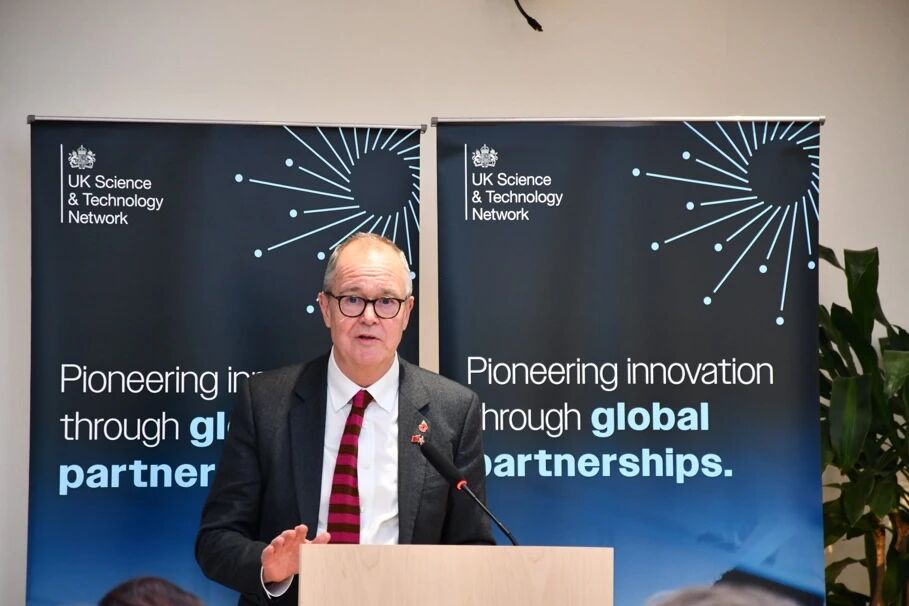
Lord Patrick Vallance Delivering Keynote Speech
During the forum's Q&A session, faculty and students from Tsinghua University actively posed questions and engaged in discussions regarding the mechanisms and prospects of UK-China scientific collaboration. Lord Vallance pointed out that the core of cooperation lies in talent, and that an open and convenient environment for exchange should be created for researchers to promote long-term interaction among young scholars. He noted the significant potential for collaboration between the UK and China in cutting-edge fields such as clean energy, carbon capture and storage (CCS), energy storage and smart grids, and AI-powered energy management, advocating for an action-oriented approach to pragmatically advance the implementation of outcomes. He encouraged young researchers to step out of their comfort zones, actively participate in international cooperation, and contribute their wisdom and strength to global technology and climate governance processes.
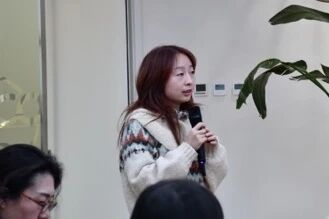
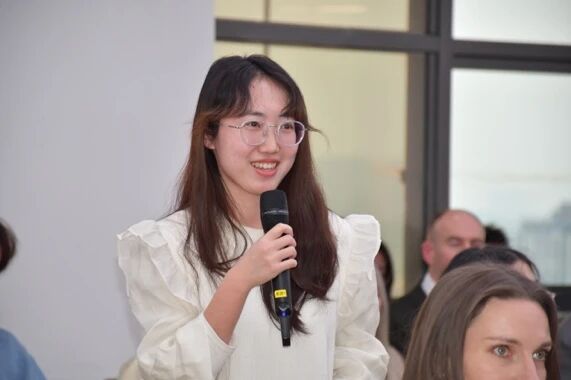
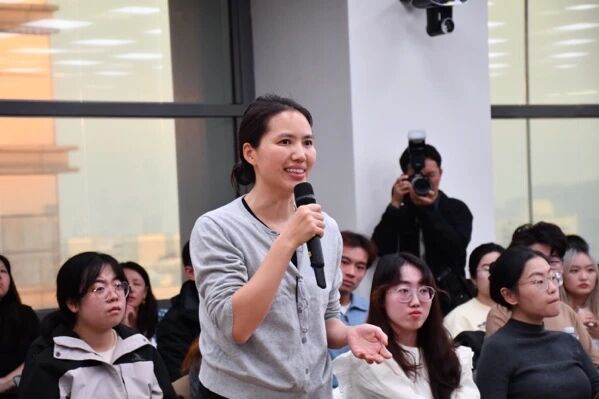
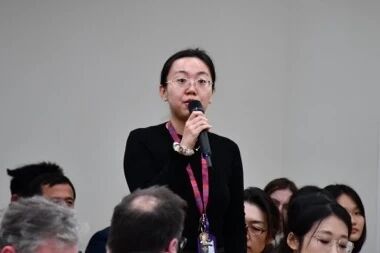
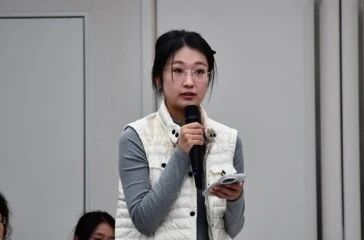
Students Enthusiastically Speaking During Q&A Session
Following the exchange session, on behalf of Tsinghua University, Professor Jiang Peixue presented Lord Patrick Vallance with the commemorative certificate for the 113th Tsinghua Forum.
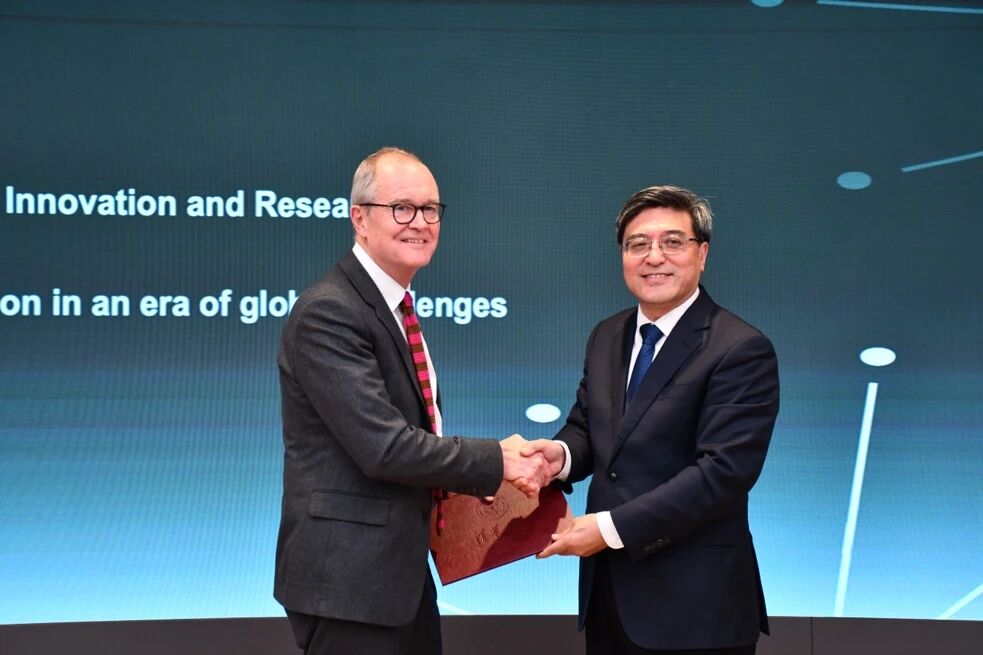
Professor Jiang Peixue Presenting the 113th Tsinghua Forum Commemorative Certificate to Lord Patrick Vallance
This forum represented not only a high-level academic exchange but also a deepening of consensus and a joint vision for UK-China science and technology collaboration. As global challenges grow increasingly complex, scientific cooperation has become a vital bridge transcending borders to create a shared future. As major forces in scientific research and innovation, the UK and China working together will not only benefit their own development but also inject strong momentum into global sustainable development. This dialogue further consolidated the willingness of both sides to cooperate in key areas such as energy transition and climate change, paving a solid path for future joint research and talent cultivation. Looking ahead, UK-China science and technology collaboration is poised to continue yielding fruitful results that benefit humanity and drive progress, built on a foundation of openness, mutual trust, and cooperation.


 Latest recommendations