On September 19, a symposium for the incoming 2025 cohort of doctoral students in the first-level discipline of “Carbon Neutrality System Science and Technology” was successfully held at the Institute for Carbon Neutrality, Tsinghua University.
Academician He Kebin, Dean of the Institute, joined faculty members and the new students for an engaging discussion on the discipline's vision, research opportunities, and life as a doctoral researcher. The event was attended by key leadership and faculty representatives, including Professor Wang Zhe, Xie Xiaorong and Lu Xi, Associate Professor Ma Linwei, Zhao Ming, Wang Xiaonan and Huang Yanbin. The symposium was moderated by Dr. Sun Xin, the coordinator for the discipline's development.
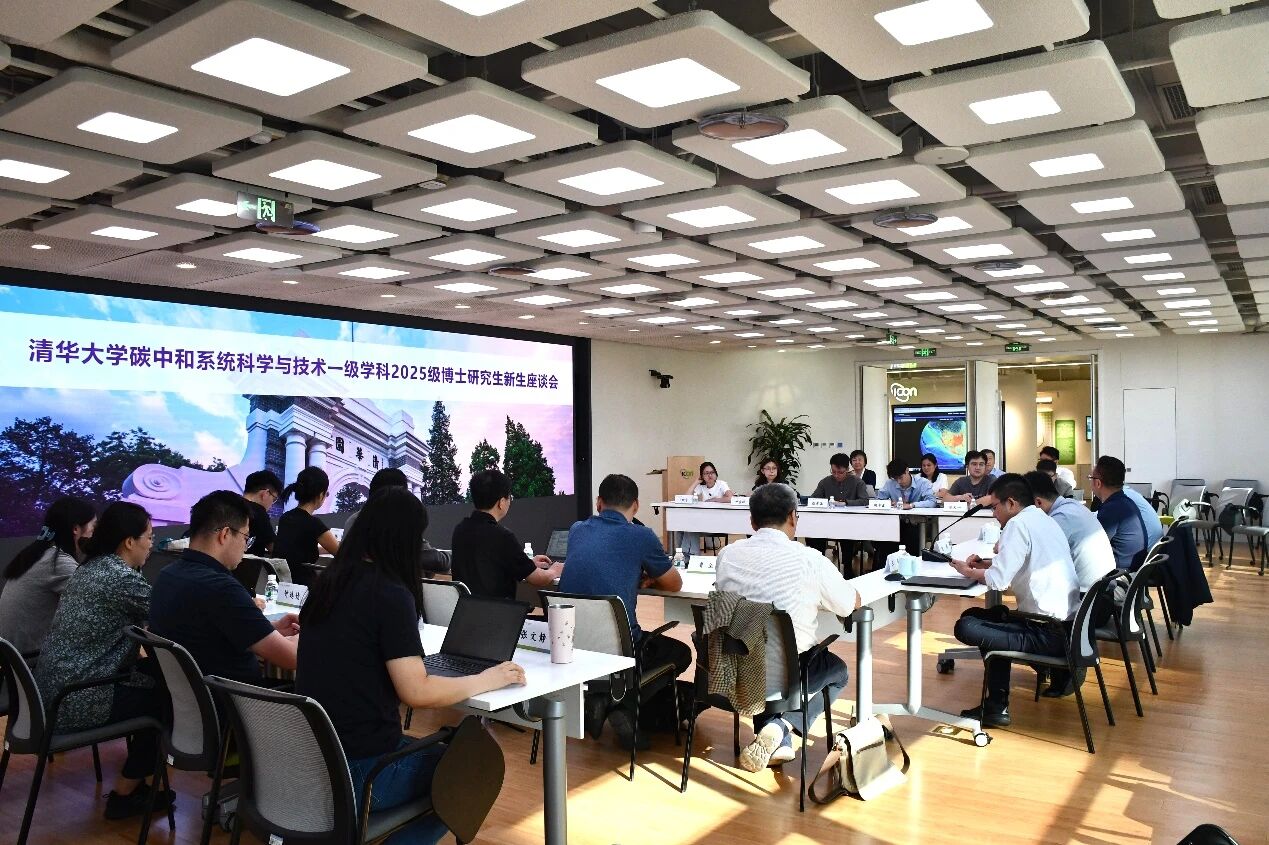
Scene from the symposium
In his welcome address, Academician He Kebin expressed his warmest greetings to the new students and gratitude to the faculty team. He emphasized that addressing the escalating challenges of global climate change and achieving carbon peaking and neutrality require a profound systemic transformation of society and the economy—tasks that cannot be solved by a single technology or discipline.
“This is precisely the original intent behind establishing the first-level discipline of ‘Carbon Neutrality System Science and Technology’,” He stated. “It calls for systemic thinking, disruptive innovation, and deep cross-sectoral collaboration.” He noted that the 2025 cohort represents the first group of Ph.D. students admitted since the discipline's official approval, making them both builders and beneficiaries of this new academic frontier. He encouraged students to leverage the Institute's interdisciplinary platform to absorb knowledge from diverse fields, actively participate in academic exchanges, and grow under the joint mentorship of faculty from multiple departments, ultimately contributing to China's and the world's carbon neutrality goals.
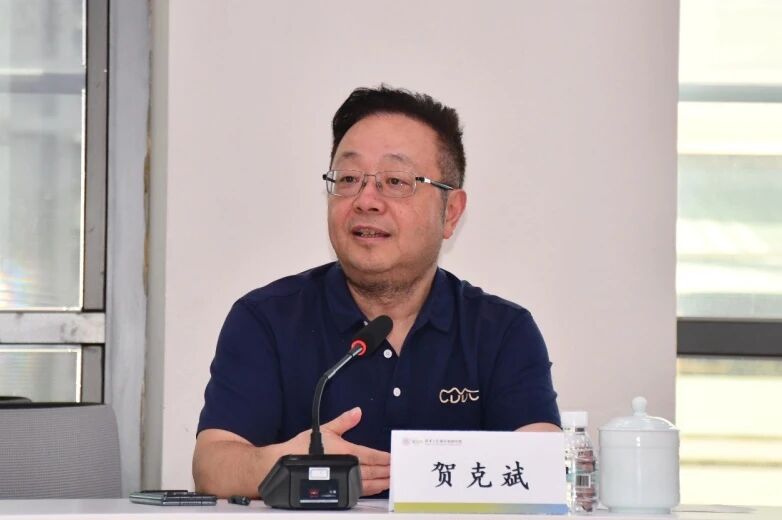
He Kebin delivering remarks
Dr. Sun Xin provided a comprehensive overview of the Institute and the new discipline, detailing its background, construction philosophy, research directions, and training models. She highlighted that the fundamental goal of carbon neutrality is innovation-led development. While the nation needs talent for quick-turnaround projects, it critically requires academically grounded researchers capable of conducting fundamental studies and achieving breakthrough, disruptive technological innovations.
“The discipline adheres to the principles of systemic thinking, substantive interdisciplinary integration, and multi-competency orientation,” Sun Xin explained. “Our aim is to cultivate high-level, innovative, and composite talents who possess cross-disciplinary research capabilities, can solve complex problems in carbon neutrality systems, and demonstrate international competitiveness and global competence.”
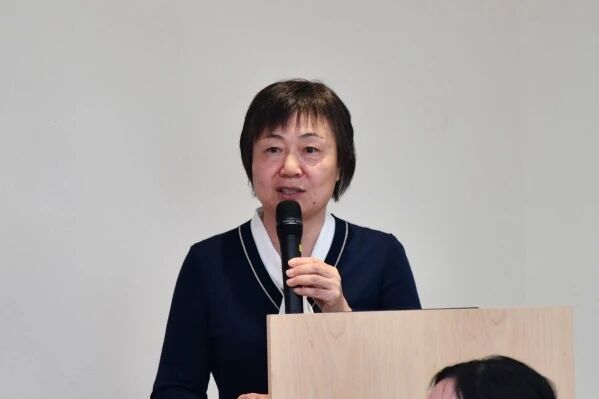
Sun Xin introducing the discipline
Representing the faculty, Associate Professor Ma Linwei and Professor Lu Xi shared their insights. Drawing on his experience in interdisciplinary and international research, Ma Linwei outlined his own academic journey and offered advice centered on five keywords: Gratitude, Companionship, Persistence, Exploration, and Contribution. He urged students to embrace interdisciplinary and international collaboration, dare to explore the unknown, stay true to their original aspirations, and hone their innovative capabilities within the Institute’s multi-disciplinary environment to contribute Chinese wisdom to solving complex climate and energy challenges.
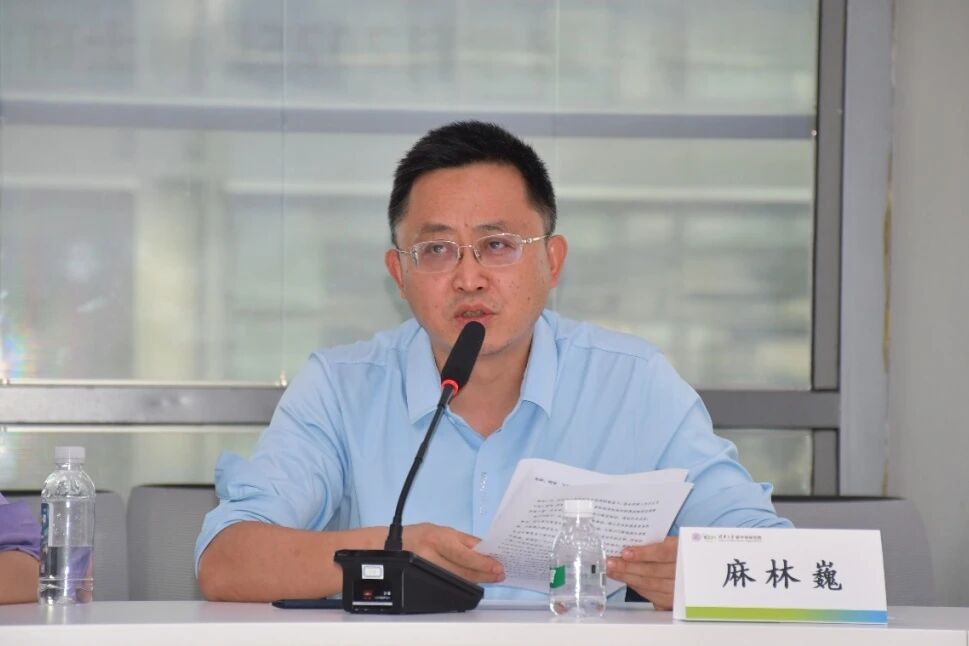
Ma Linwei sharing his insights
Professor Lu Xi, reflecting on his own doctoral experience, advised students to focus on cultivating two core competencies: Independent Research Capability: Including the ability to identify, analyze, and solve problems; to act proactively and think critically; and to master professional skills in modeling, experimentation, and scientific communication. Systemic Thinking and Interdisciplinary Innovation: Leveraging the discipline's cross-cutting advantages by engaging with peers from diverse backgrounds and actively participating in Institute-organized events such as the “Carbon Neutrality and Energy System Transformation (CNEST)” High-Level Forum, Frontier Seminars, Technology Forums, and Academic Salons.
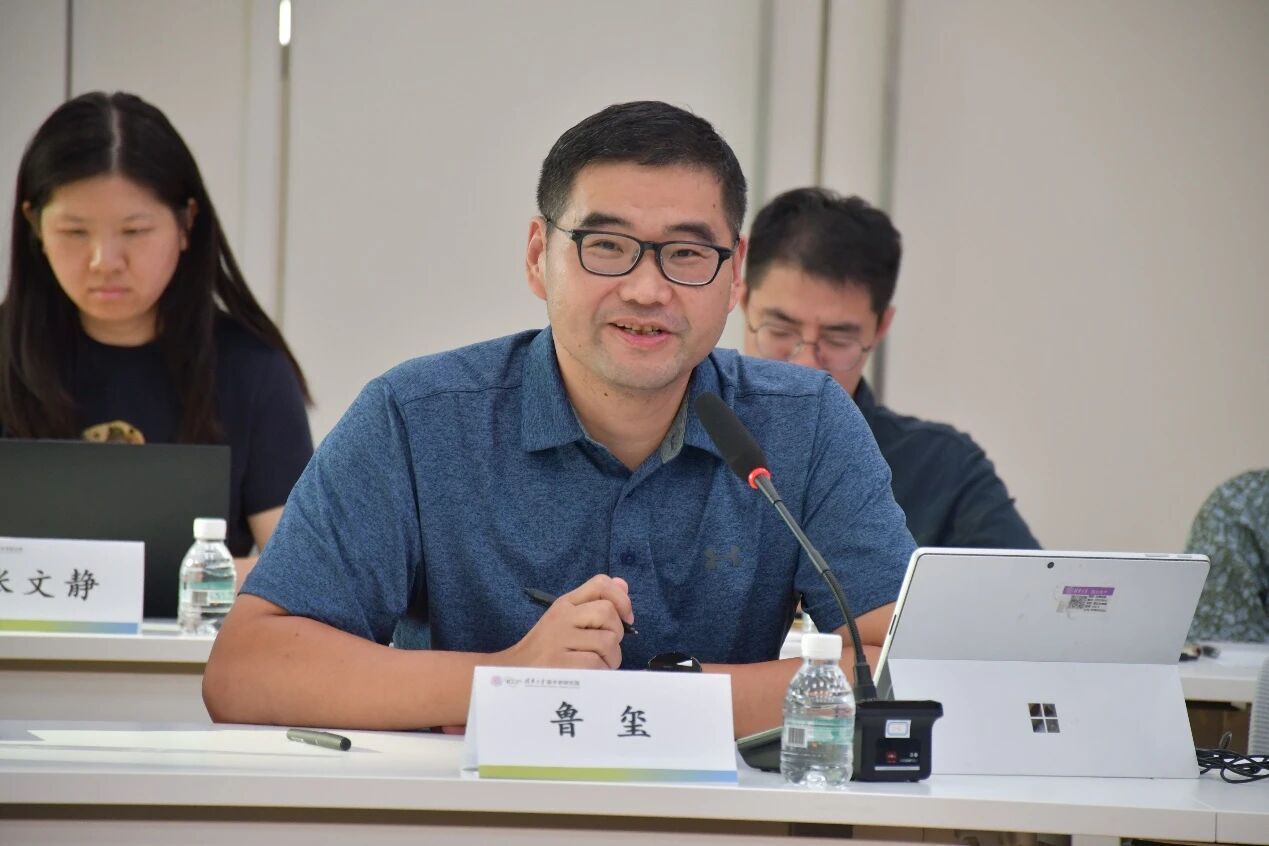
Lu Xi offering advice to students
The symposium featured a “Department-Mentor-Student Face-to-Face” session, where faculty engaged in lively discussions with new students—including Wang Xinyu, Zhen Zihan, Hu Zhuoxin, Jiao Tianyi, Chen Shu, Wang Bofan, Wang Ying, Zhang Yulai, and Zhong Xuequn. Topics ranged from “How to Start a Doctoral Journey” and “Challenges and Opportunities in Interdisciplinary Research” to “Mentor-Student Communication” and “Perspectives on Innovation.”
Students openly shared their thoughts on future study plans and interdisciplinary research while raising questions about potential hurdles. In response to queries on effective interdisciplinary learning, Academician He Kebin and Associate Professor Ma Linwei shared personal anecdotes on seeking guidance from experts across different fields. Associate Professor Wang Xiaonan suggested leveraging AI large language models to quickly build foundational knowledge across disciplines before diving deep into specific research areas. Addressing the topic of innovation, Associate Professor Zhao Ming advised students to pinpoint critical problems, seek interdisciplinary intersections, and strive to propose new concepts or independent theories.
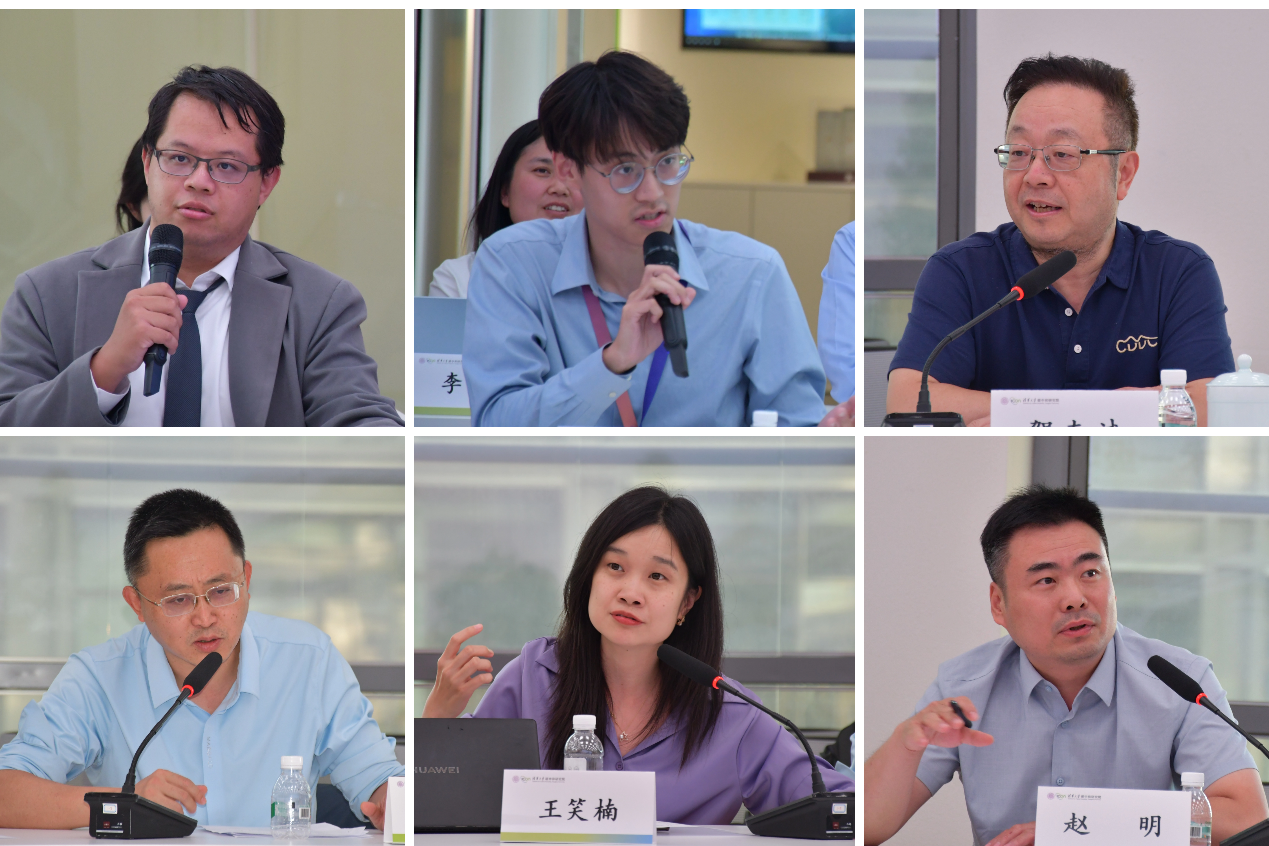
Faculty and students engaging in discussion
The new students expressed that the symposium deepened their understanding of the Institute and the discipline, providing them with valuable insights for their doctoral studies. They felt encouraged and supported by the faculty and pledged to cherish their time at Tsinghua, striving for continuous growth and achievement. The event concluded with a group photo of all attendees.
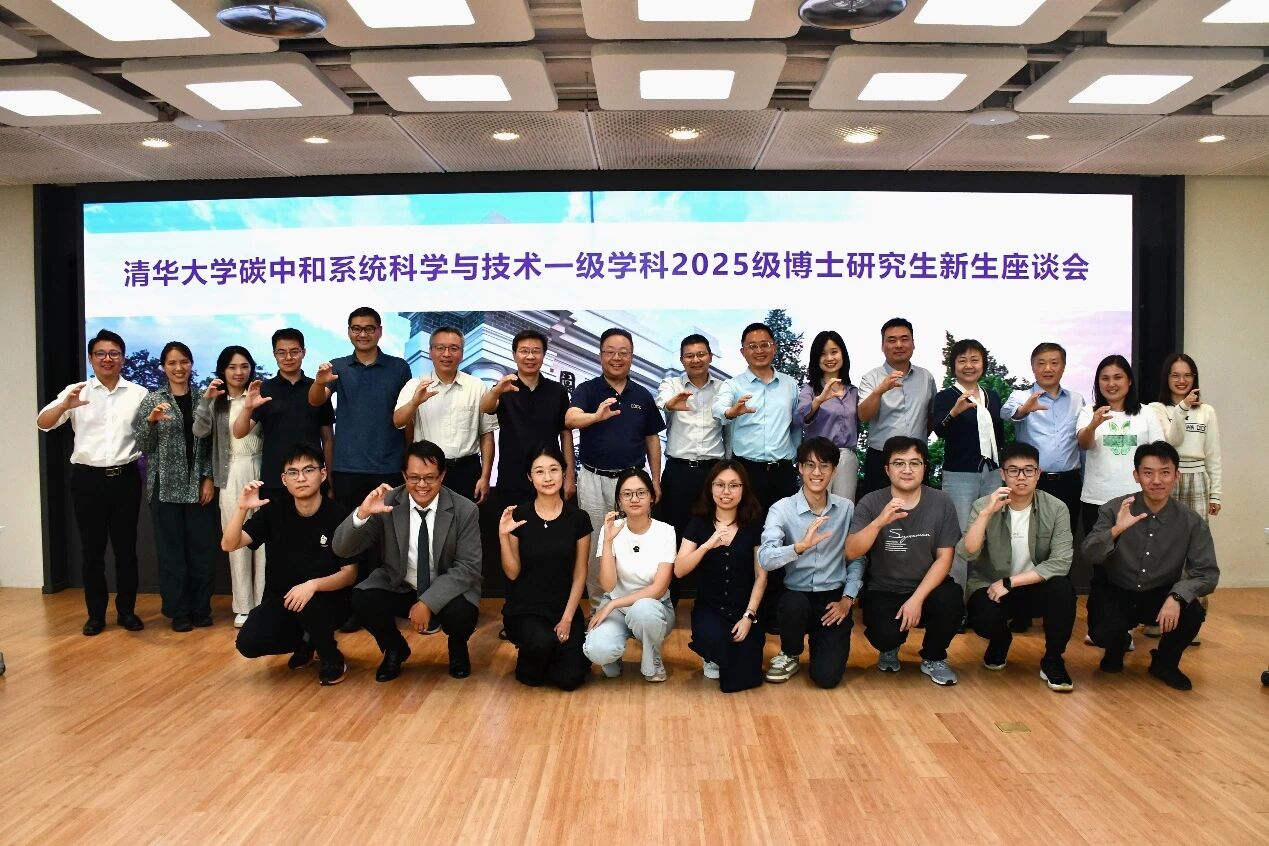
Group photo of the attendees


 Latest recommendations