From December 3 to 6, the 4th Carbon Neutrality Forum for Doctoral Students was successfully convened in Baoshan District, Shanghai. Permanently organized by Tsinghua University and the Association of Chinese Graduate Education (ACGE), with East China University of Science and Technology (ECUST) as the annual host, the event featured a standout highlight: the Industry-Academia Innovation Special Forum held on the afternoon of December 4. This session underscored the immense value of deep interaction and mutual empowerment between academia and industry.
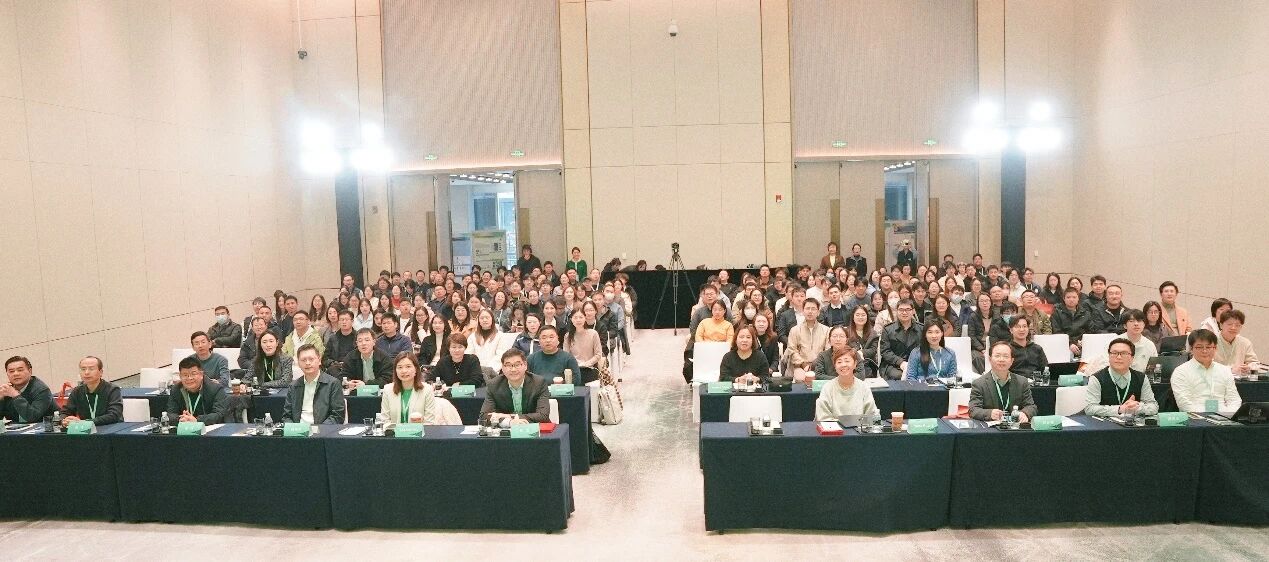
Organized by the Institute for Carbon Neutrality at Tsinghua University and co-organized by the Tsinghua Student Association for Carbon Neutrality Research and the journal Technology Review for Carbon Neutrality , the forum centered on two core themes: “Clean Energy and Power” and “Resource Circulation and Recycling.” The event brought together over 60 industry representatives from more than 20 leading enterprises, including Lens Technology and Shandong Innovation Group, alongside academic experts and young scholars. Together, they explored the pathway of collaborative innovation from the “laboratory” to the “production line.”
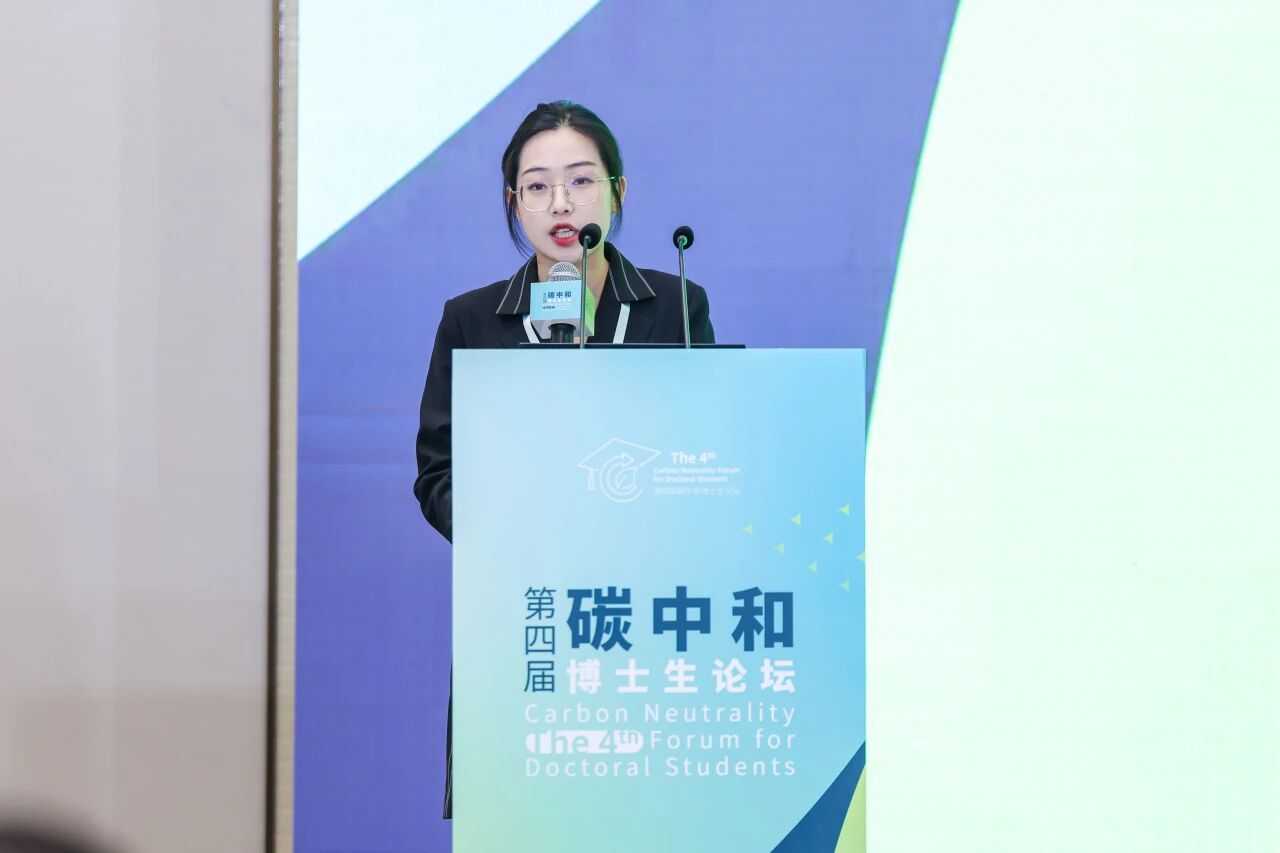
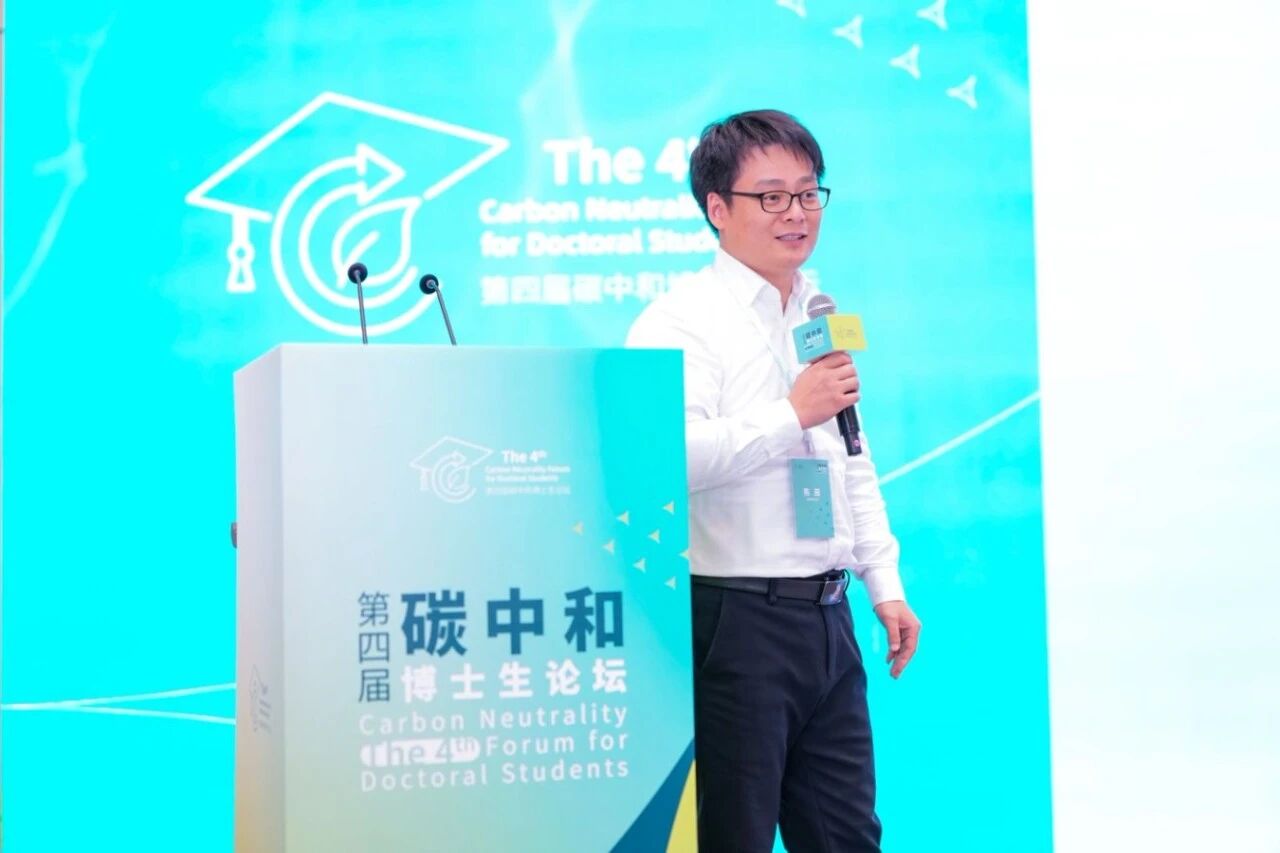
Reflecting the forum's spirit of “Putting Young Students at Center Stage,” the session was moderated by Dong Yuecen, President of the Tsinghua Student Association for Carbon Neutrality Research.
Opening Remarks
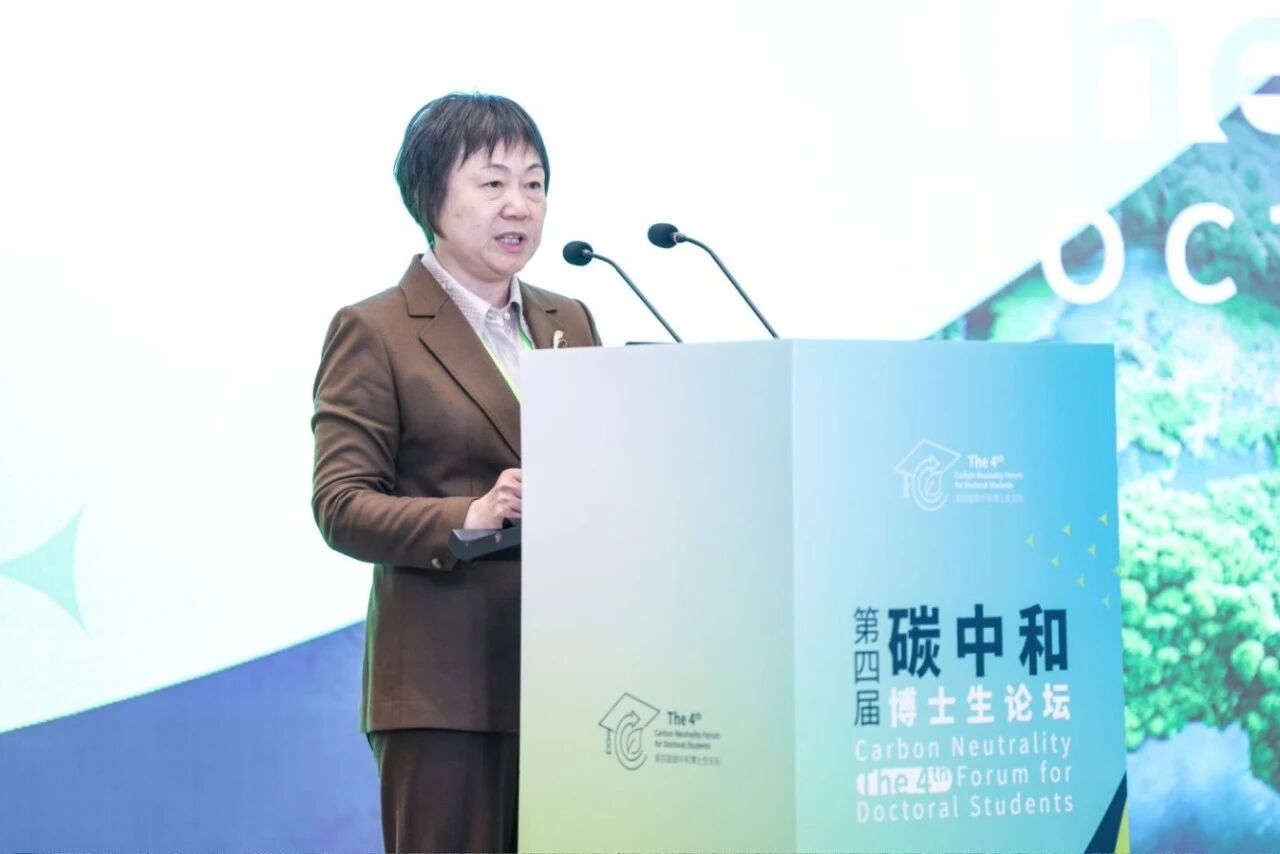
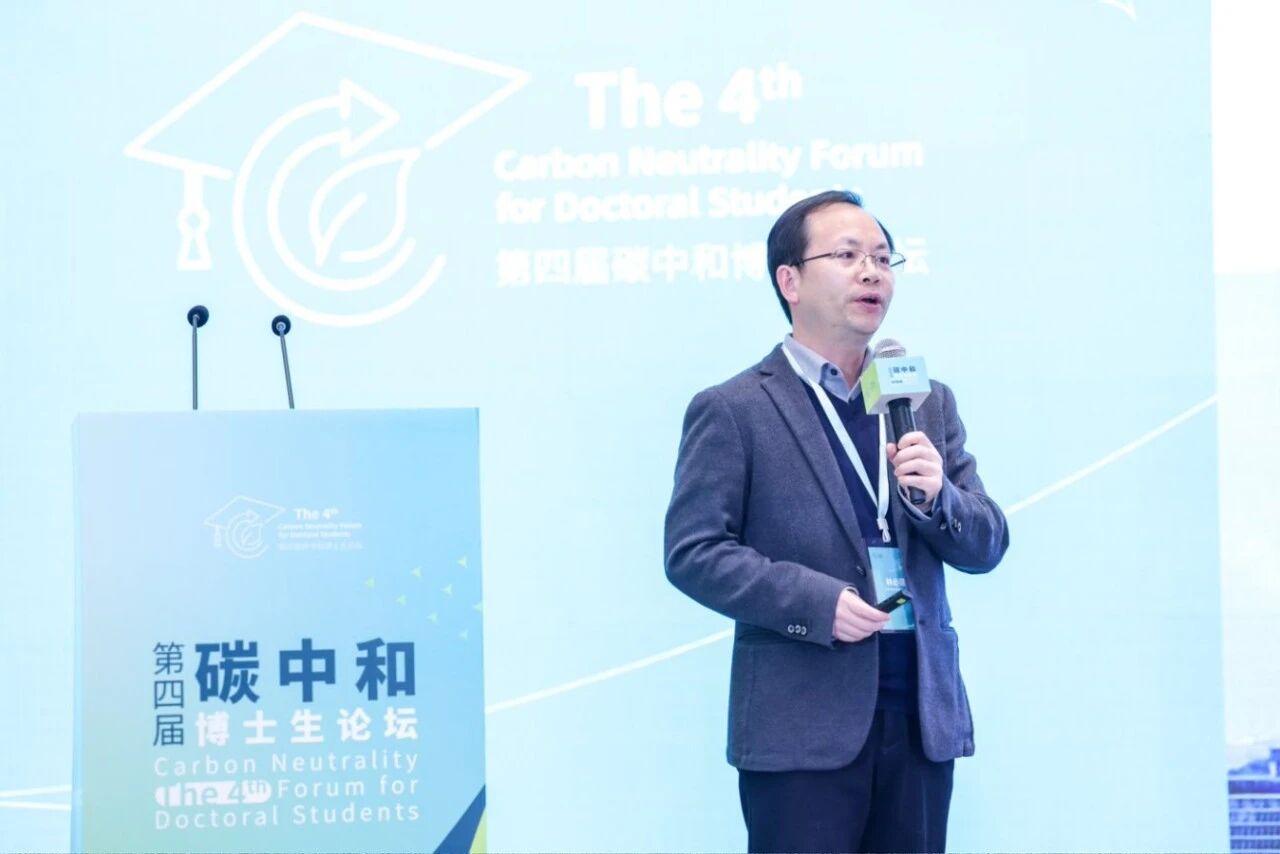
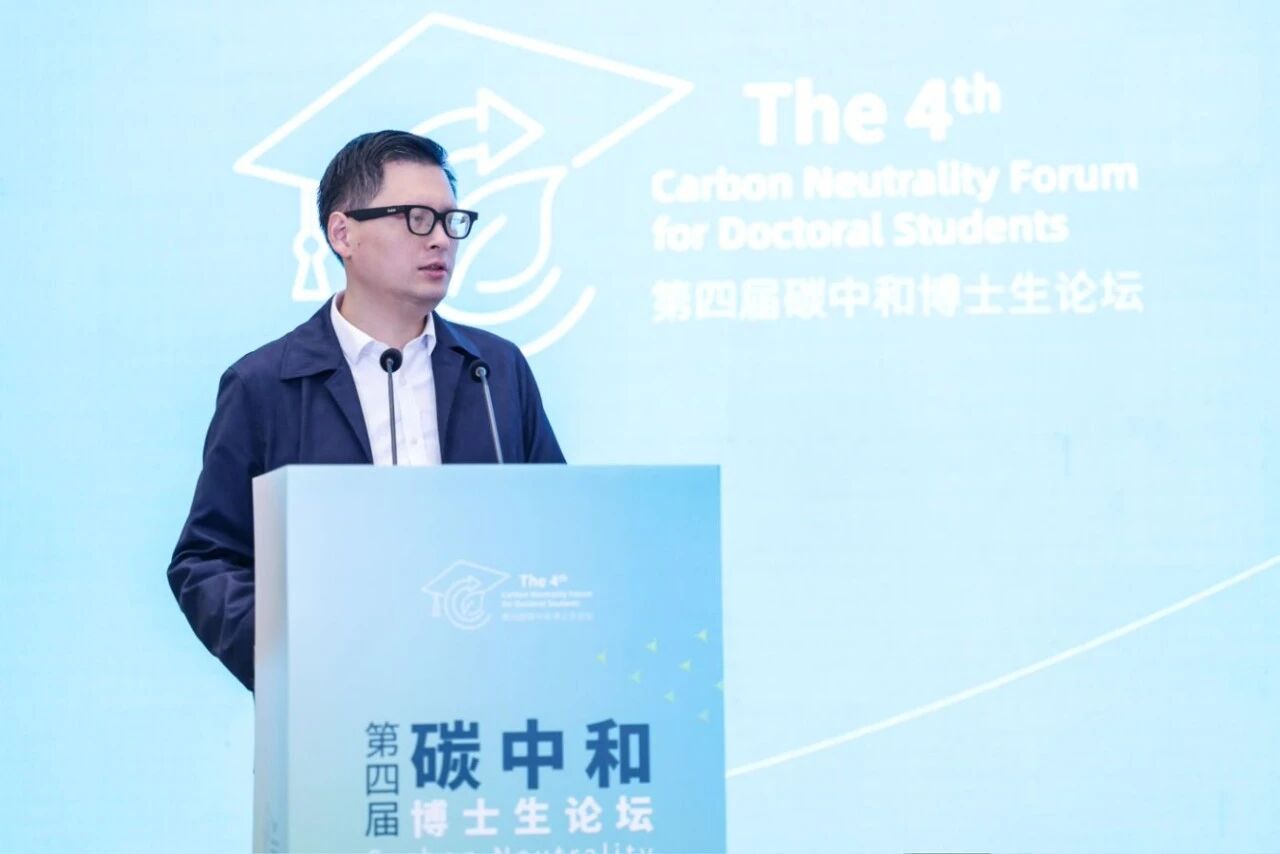
In his opening address, Professor Sun Xin, former Deputy Dean of the Institute for Carbon Neutrality at Tsinghua University, encouraged young scholars to break down the walls between universities and industrial boundaries. He urged them to dedicate themselves to moving innovative technologies from the “bookshelf” to the “store shelf,” achieving the critical transformation of technology into productivity through cross-boundary integration.
Professor Lu Xi, Assistant Dean of the Institute for Carbon Neutrality, delivered the opening academic report titled “Progress in Frontier Research, Collaboration, and Education on Carbon Neutrality.” Analyzing China's policy shift from “dual control of energy consumption” to “dual control of carbon emissions,” he outlined the urgent need to commercialize key technologies within the “5+1” Carbon Neutrality Technology System and introduced Tsinghua University's cutting-edge practices in the field.
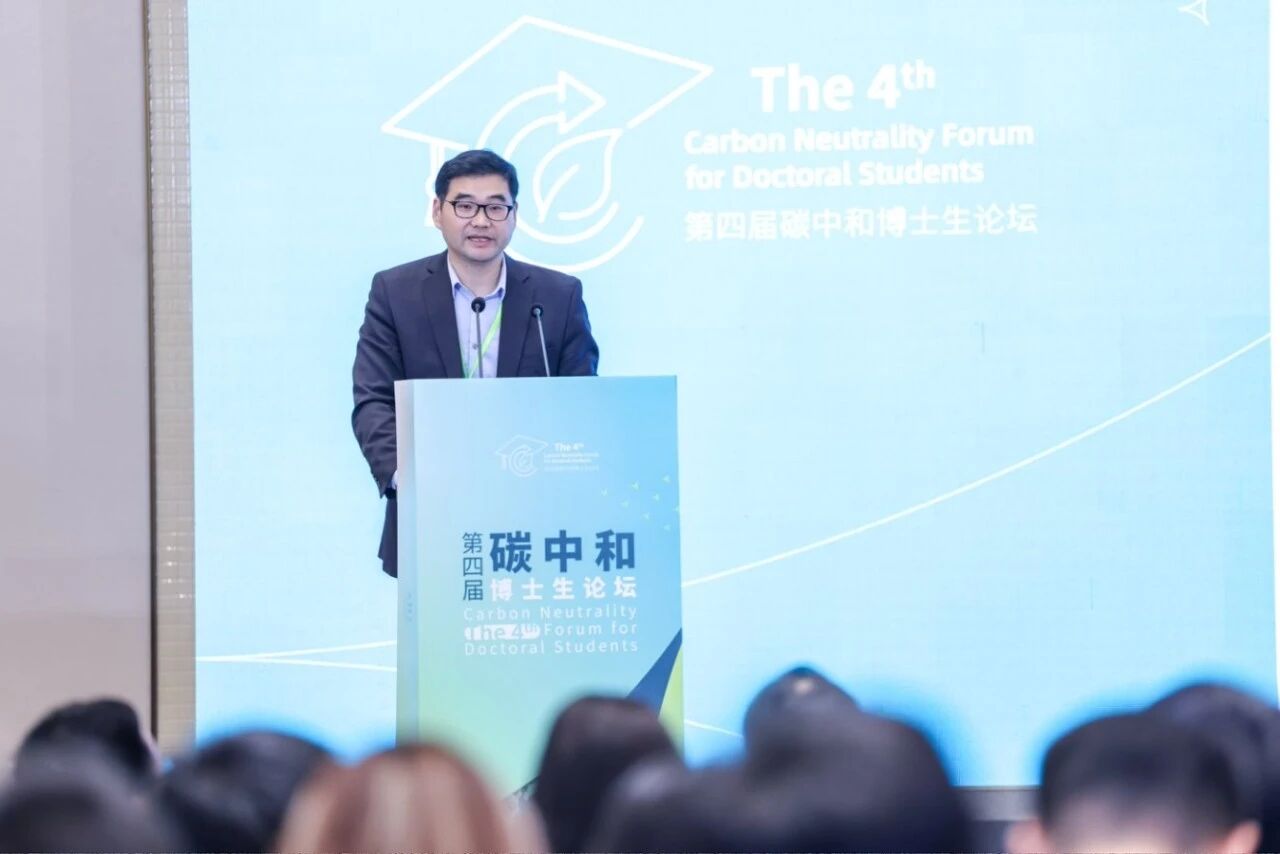
Local leaders also contributed to the dialogue: Mr. Lin Bide, Deputy Director of the Friendship Road Subdistrict Office in Baoshan District, detailed the area's historical heritage and regional sci-tech advantages, while Mr. Lu Xiaolin, General Manager of Fudan University National University Science Park (Baoshan), elaborated on the concept of a “Stem Cell-style” university science park and its innovative ecosystem.
Session 1: Clean Energy and Power
The session featured keynote reports from both academia and industry, followed by presentations from selected young scholars.
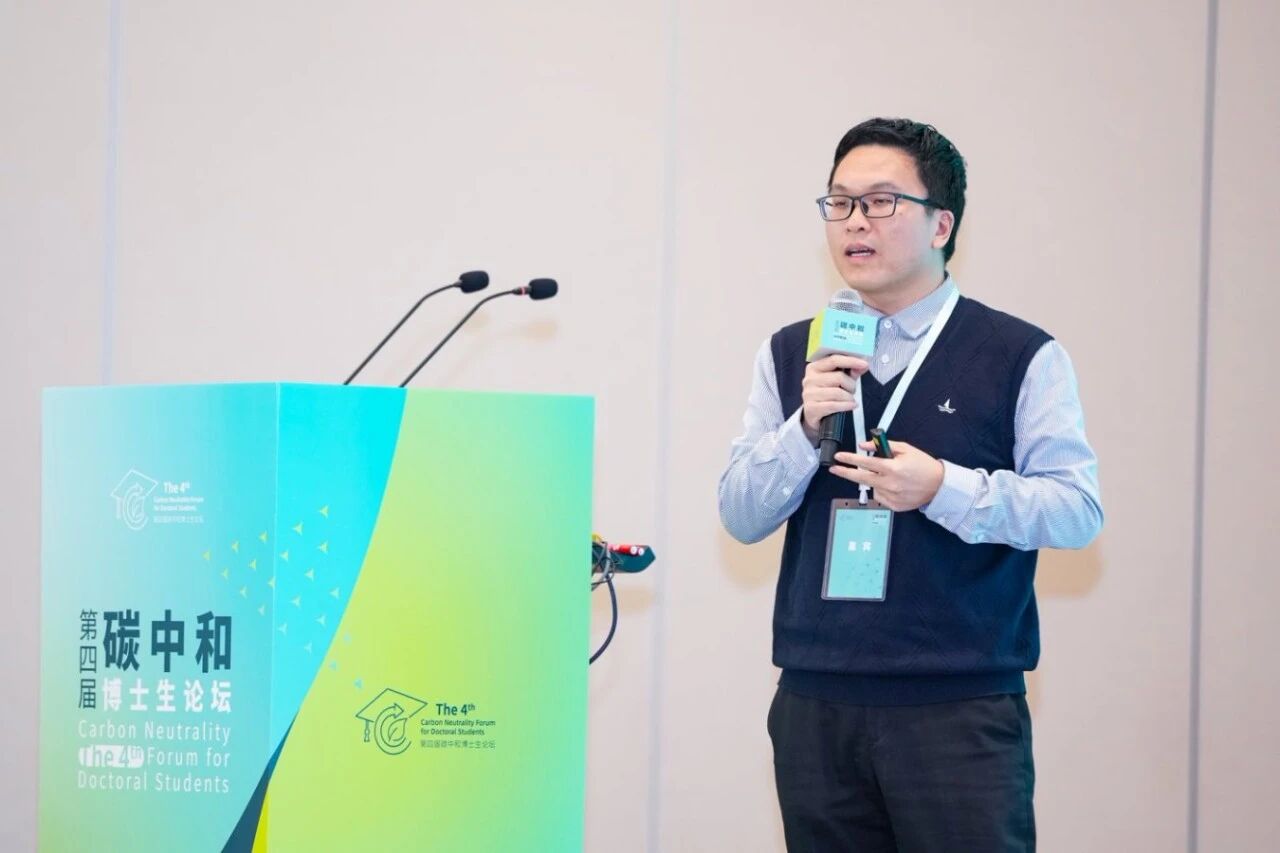
Academic Keynote: Professor Zheng Yuejiu, Vice Dean of the School of Mechanical Engineering at the University of Shanghai for Science and Technology, presented on “Full Lifecycle Management of Lithium Batteries: From Cell Manufacturing to Pack Operation and Maintenance.” He emphasized that establishing a precise full-lifecycle management system is essential for achieving deep greenification of energy systems.
Industry Keynote: Mr. Chen Tian, Vice President of Lens Technology, shared insights on “Practices in Clean Energy and Energy Efficiency Innovation Technologies.” Drawing from the manufacturing frontline, he demonstrated how Lens Technology has transformed high-energy-consumption manufacturing into a low-carbon model through large-scale PV deployment and refined energy efficiency management, turning carbon reduction pressure into green competitiveness.
Young Scholar Presentations:
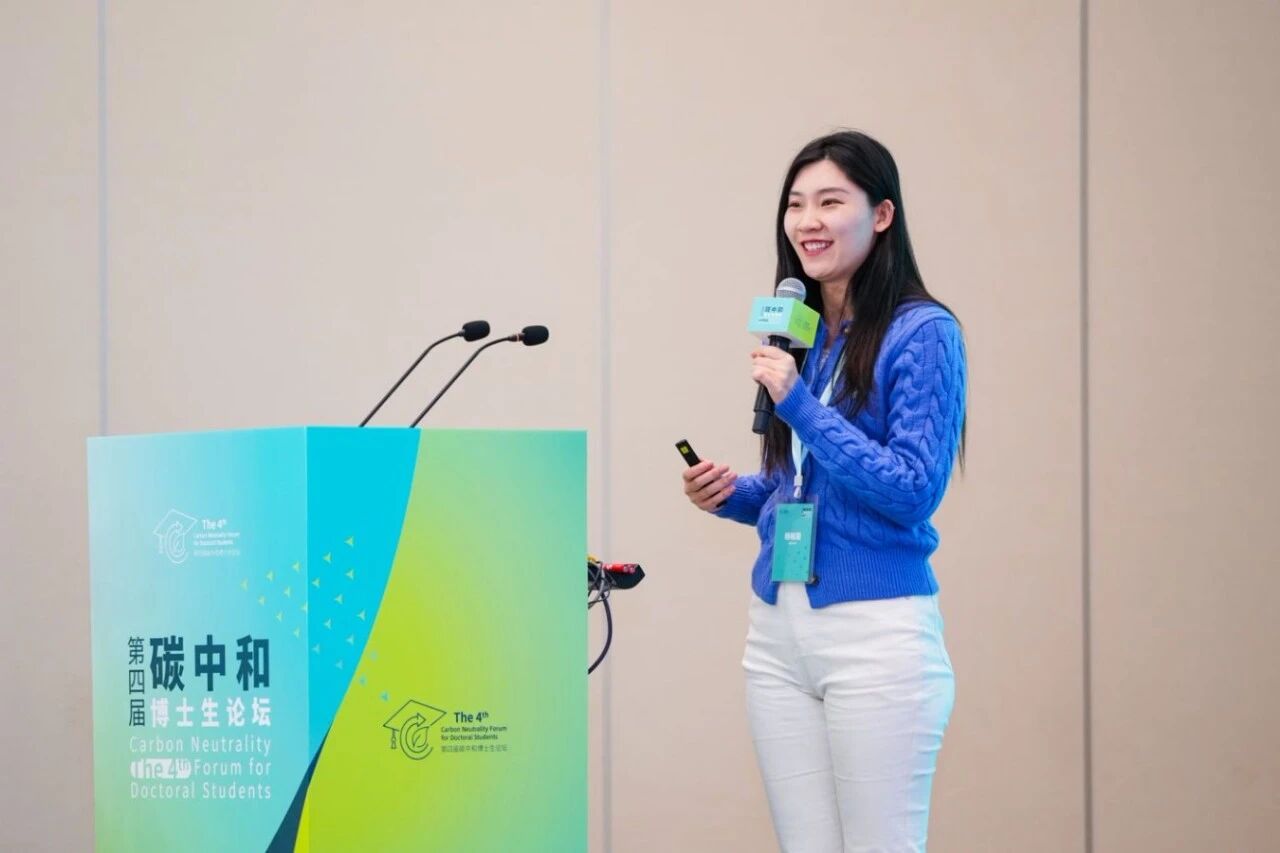
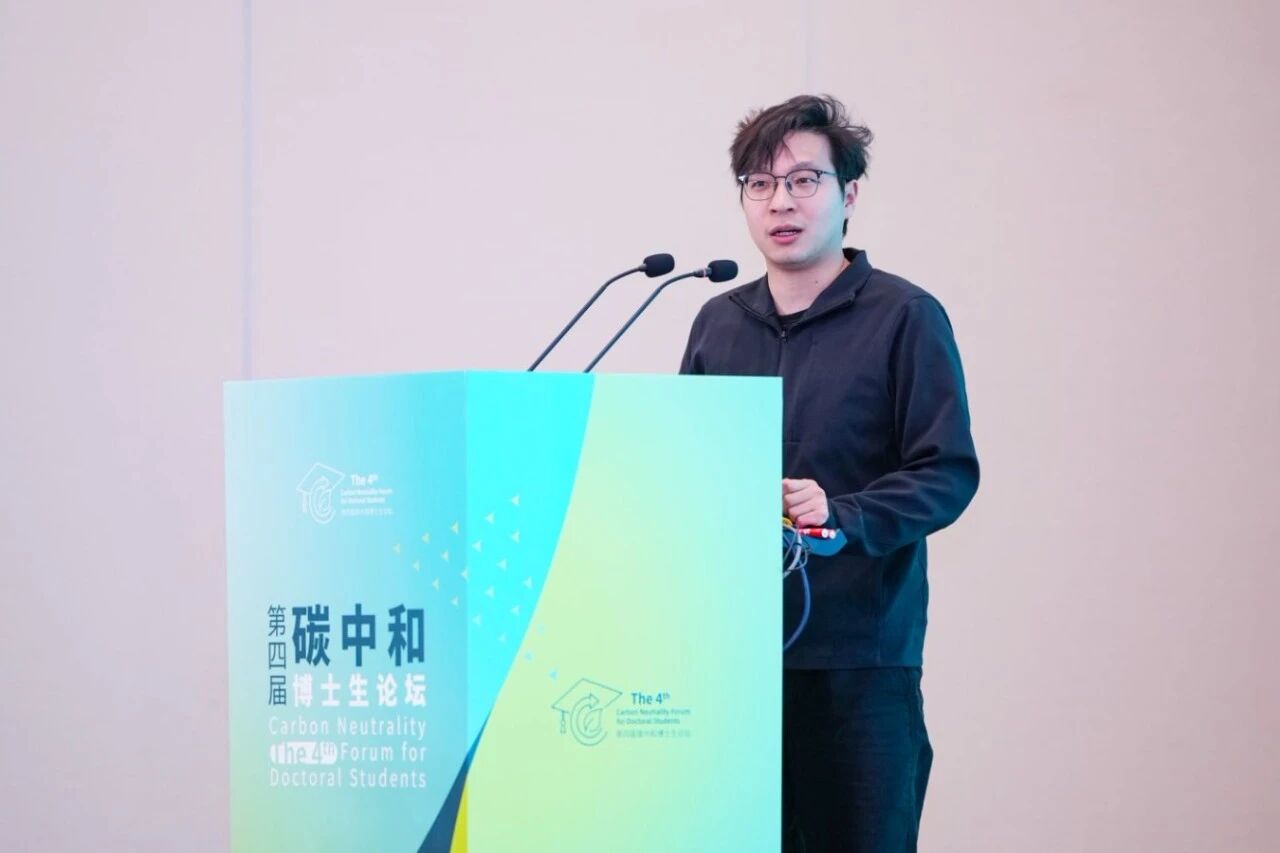
Yang Wanning, a Ph.D. candidate from Tsinghua University’s School of Architecture, shared practical results from the university’s Carbon Neutrality Capacity Enhancement Project, proposing a high-temperature heat pump solution tailored for anode production lines.
Xia Chengqi, a Postdoctoral Fellow at the Beihang International Innovation Institute (Hangzhou), analyzed the technological maturity and commercial prospects of green electronic methanol.
Session 2: Resource Circulation and Recycling
This session focused on sustainable waste management and resource recovery.
Academic Keynote: Dr. Lv Pu, Researcher at Tsinghua University's School of Environment and Deputy Director of the Chemicals Management Division at the Basel Convention Regional Centre for Asia and the Pacific, delivered a report on “Responsibilities, Technologies, Case Studies, and Systemic Solutions for General Industrial Solid Waste Governance.” His presentation provided a clear roadmap for scientific and standardized industrial waste treatment.
Industry Keynote: Mr. Zhang Wei, Division Director at Shandong Innovation Group, presented on“Innovative Practices in the Low-Carbon Recycled Aluminum Industry,” vividly illustrating how high-energy-consuming industries can leverage “urban mines.”
Young Scholar Presentations:
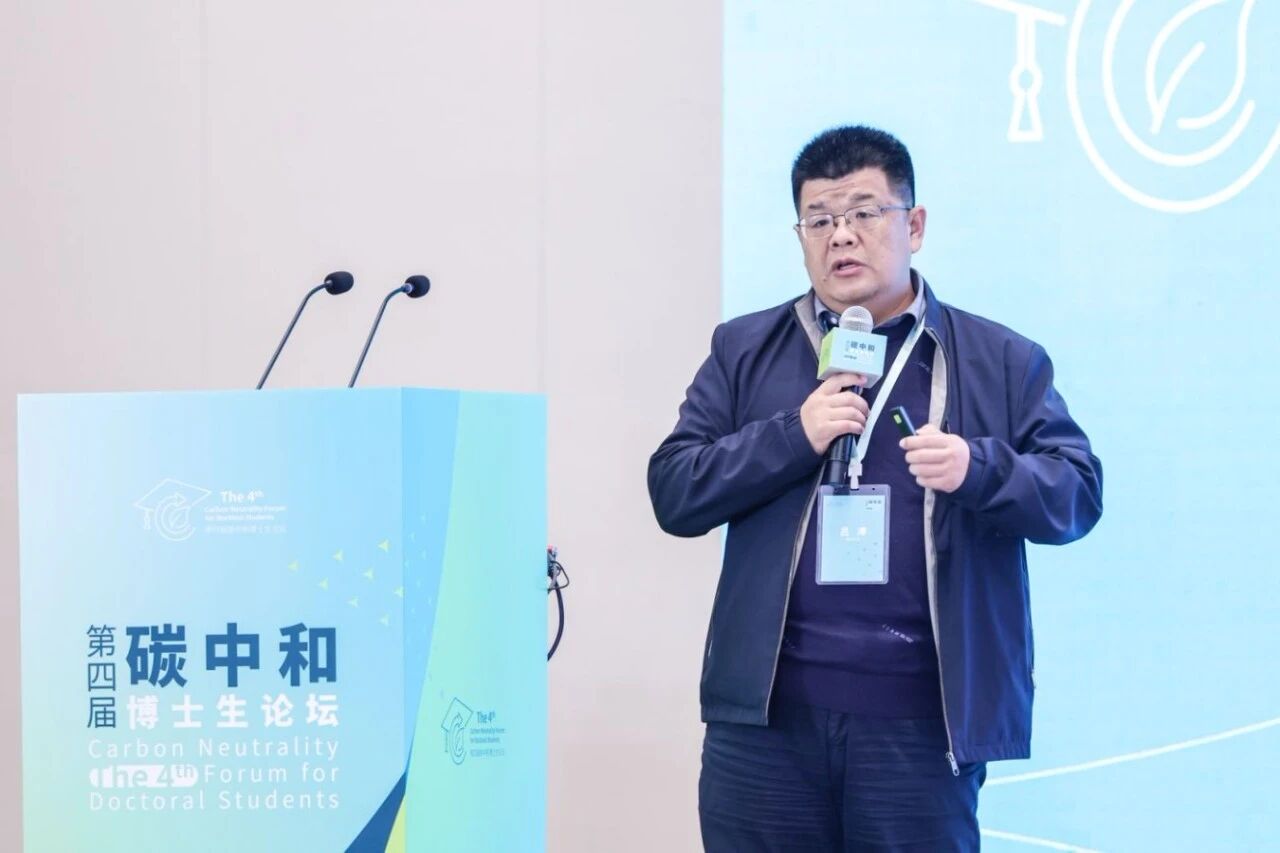
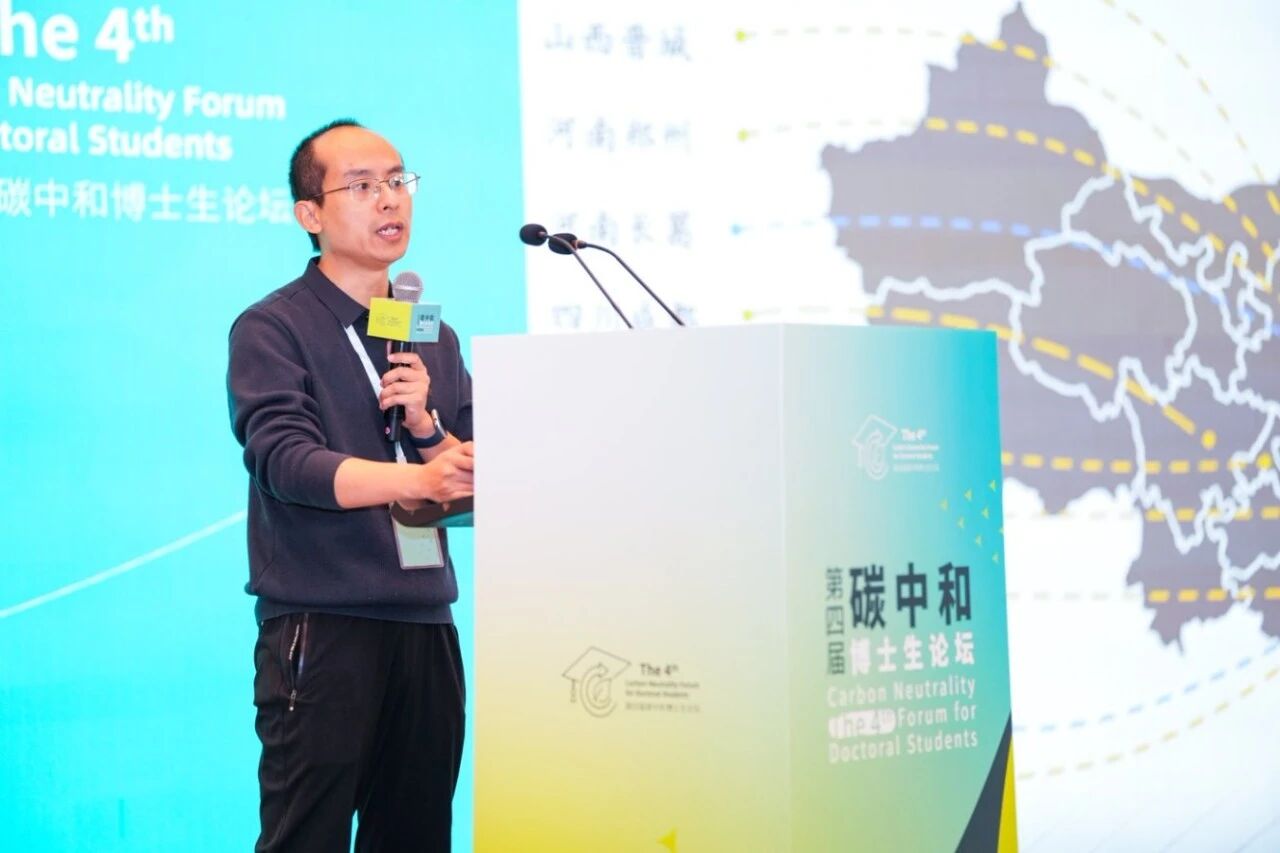
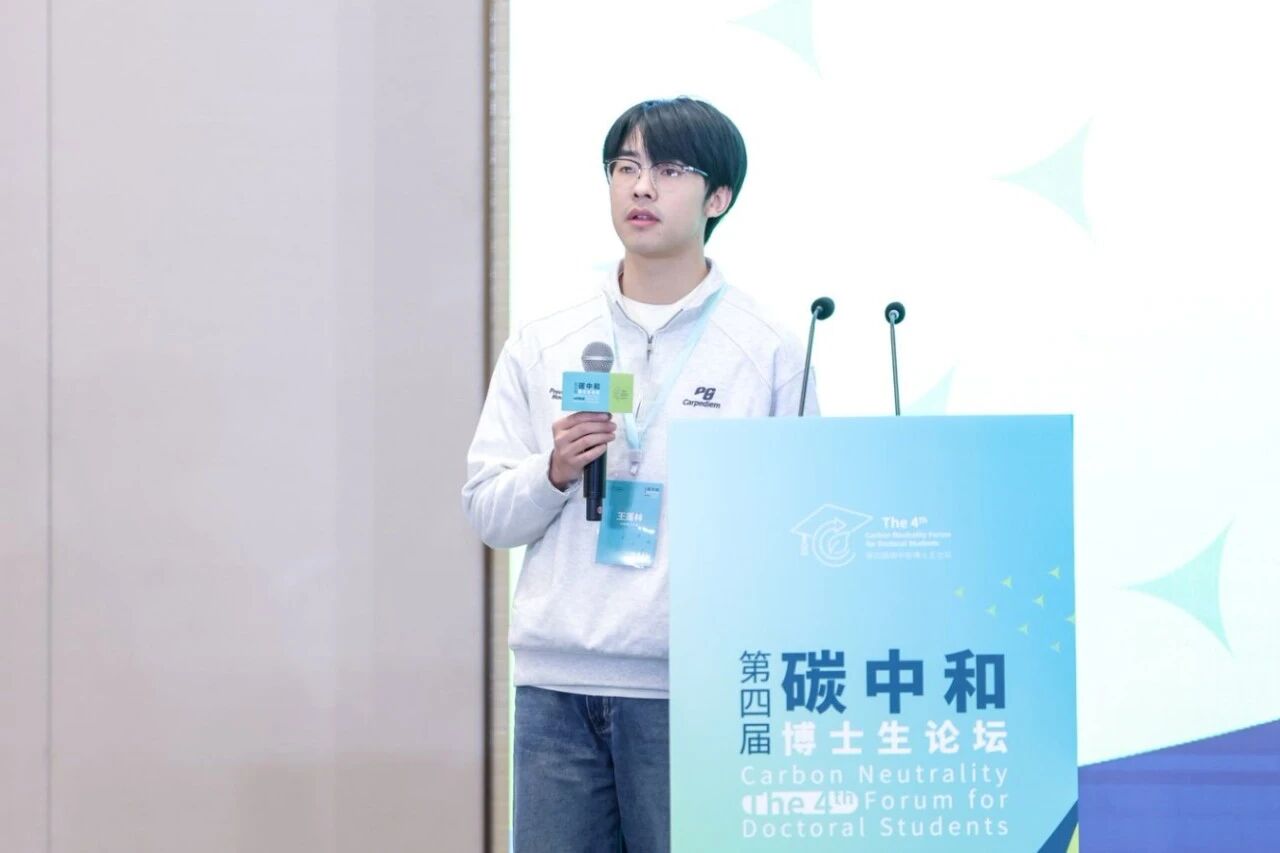
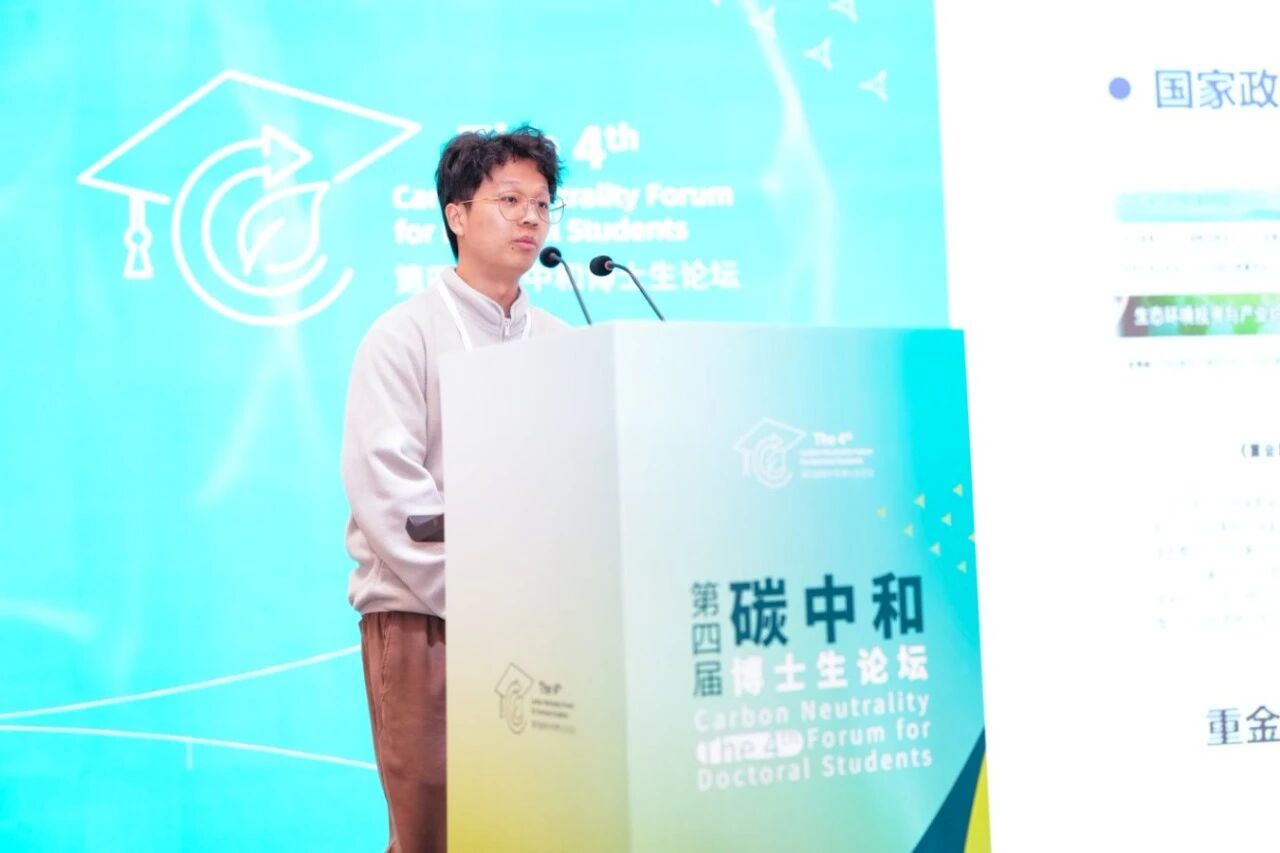
Wang Penglin, a Ph.D. candidate from ECUST, focused on emerging wastes, using thermodynamic simulation to solve the challenging separation of silicon and aluminum in decommissioned PV glass.
Wu Guoqing, also a Ph.D. candidate from ECUST, showcased work on new materials, achieving highly selective copper resource recovery using pseudocapacitance-driven composite materials.
The Q&A segment saw lively discussions between industry experts and young scholars regarding the application prospects of various research topics.
Closing Ceremony
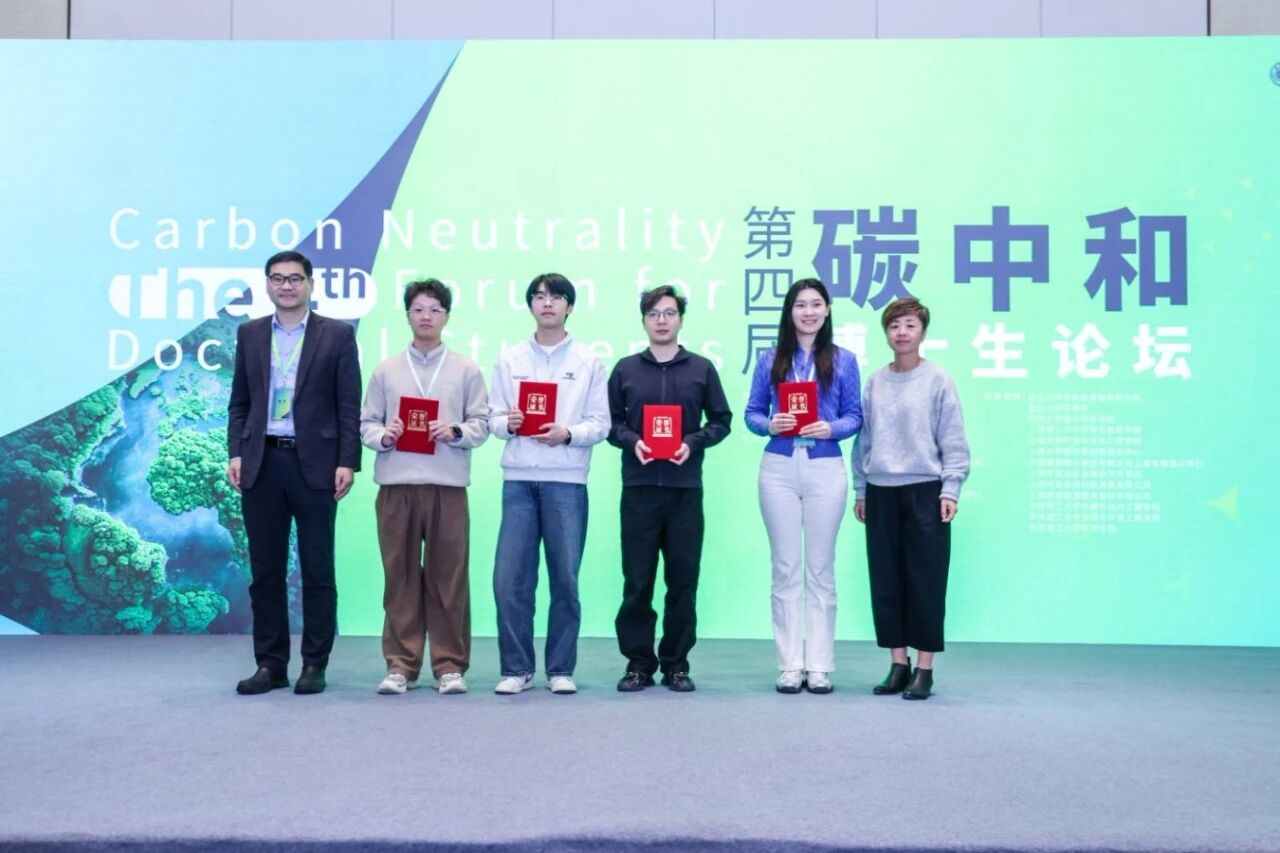
At the closing ceremony, Professor Lu Xi presented certificates to the four young scholars who delivered oral reports, encouraging them to continue pursuing bravery in innovation and excellence.
In his concluding remarks, Professor Lu defined the forum as a “two-way commitment” where academia and industry break down barriers. He emphasized that academic research must precisely target industrial pain points, while industrial development must rely on a solid scientific foundation.
This deep dialogue on industry-academia innovation vividly interpreted a new paradigm of deep integration among “industry, academia, research, and application.” It marked a significant step in cultivating future-ready composite talents and building a sustainable innovation ecosystem, signaling that on the road to a zero-carbon future, the partnership between industry and academia will ensure steady and far-reaching progress.


 Latest recommendations