On November 17, local time, during the 30th United Nations Climate Change Conference (COP30) held in Belém, Brazil, the official side event "Building Open and Transparent Climate Data Infrastructure: Accelerating Global Carbon Neutrality Progress" was successfully convened. The event was led and organized by the School of Ecology and Environment, Renmin University of China, co-organized by the China Meteorological Service Association (CMSA) and Actions Vitales pour le Développement Durable (AVD), supported by the School of Environment, Tsinghua University and the Institute for Carbon Neutrality(ICON), Tsinghua University, with The Beijing News and Beike Finance serving as media partners. Representatives from government departments, international organizations, research institutions, the business community, and youth groups gathered to engage in in-depth discussions on climate data, transparency, and global action progress.
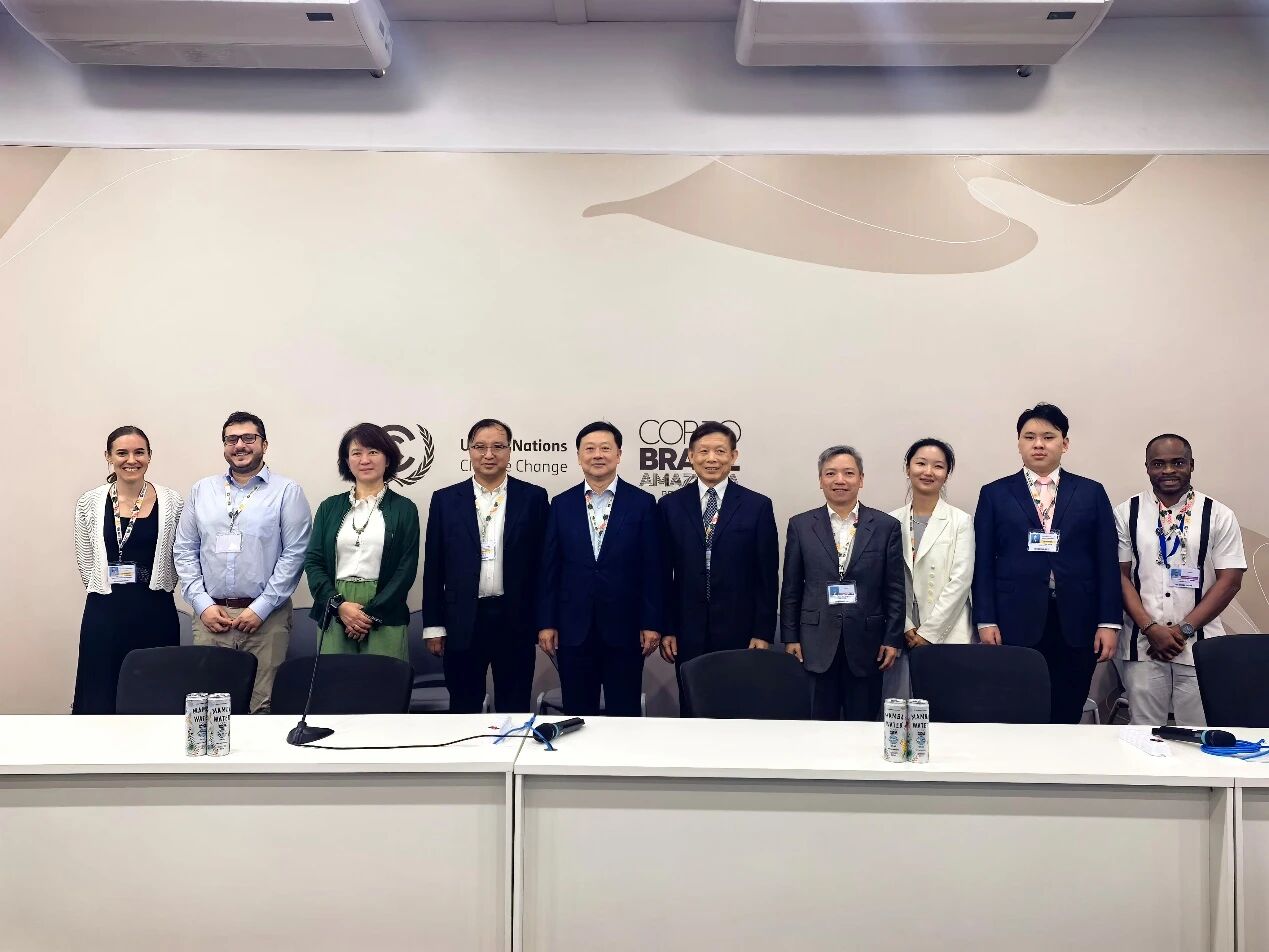
Group Photo of Conference Guests
Li Gao, Head of the Chinese Delegation to COP30 and Vice Minister of Ecology and Environment, attended the meeting and delivered opening remarks. He pointed out that transparency is a fundamental institutional arrangement for the full implementation of the Paris Agreement and a crucial support for advancing global climate governance from target consensus to accelerated action. He introduced China's latest progress in its climate transparency system, emphasizing that through continuous improvement of key capacities such as emission data, MRV systems, carbon footprint management, and climate risk assessment, China's climate actions have become more "measurable, reportable, and verifiable," contributing valuable experience for global transparency enhancement. When discussing the progress of China's overall climate actions, Li Gao stated that over the past decade, China has persistently promoted green and low-carbon transformation through high-quality development, achieving positive results in areas such as renewable energy, forest stock volume, the share of non-fossil fuels, and carbon market construction, demonstrating its firm determination to implement the Paris Agreement with concrete actions. China's 2035 Nationally Determined Contribution (NDC) target represents a systematic set of goals, signifying a major advancement from focusing solely on carbon dioxide to covering all greenhouse gases, and from controlling intensity to reducing absolute emissions, reflecting strategic resolve with unchanged direction and undiminished efforts. He emphasized that achieving China's 2035 NDC target requires not only strenuous efforts domestically but also a fair international environment, stable cooperative relationships, mutually beneficial trade patterns, and secure and reliable industrial and supply chains. Li Gao called on all countries to strengthen openness and cooperation in areas such as data, tools, and capacity building. Especially against the backdrop of profound changes in global supply chains and financial systems, there is a greater need to build a fair, transparent, and mutually trusting international environment, jointly promoting the benefits of green development for the world and achieving the full implementation of climate goals.
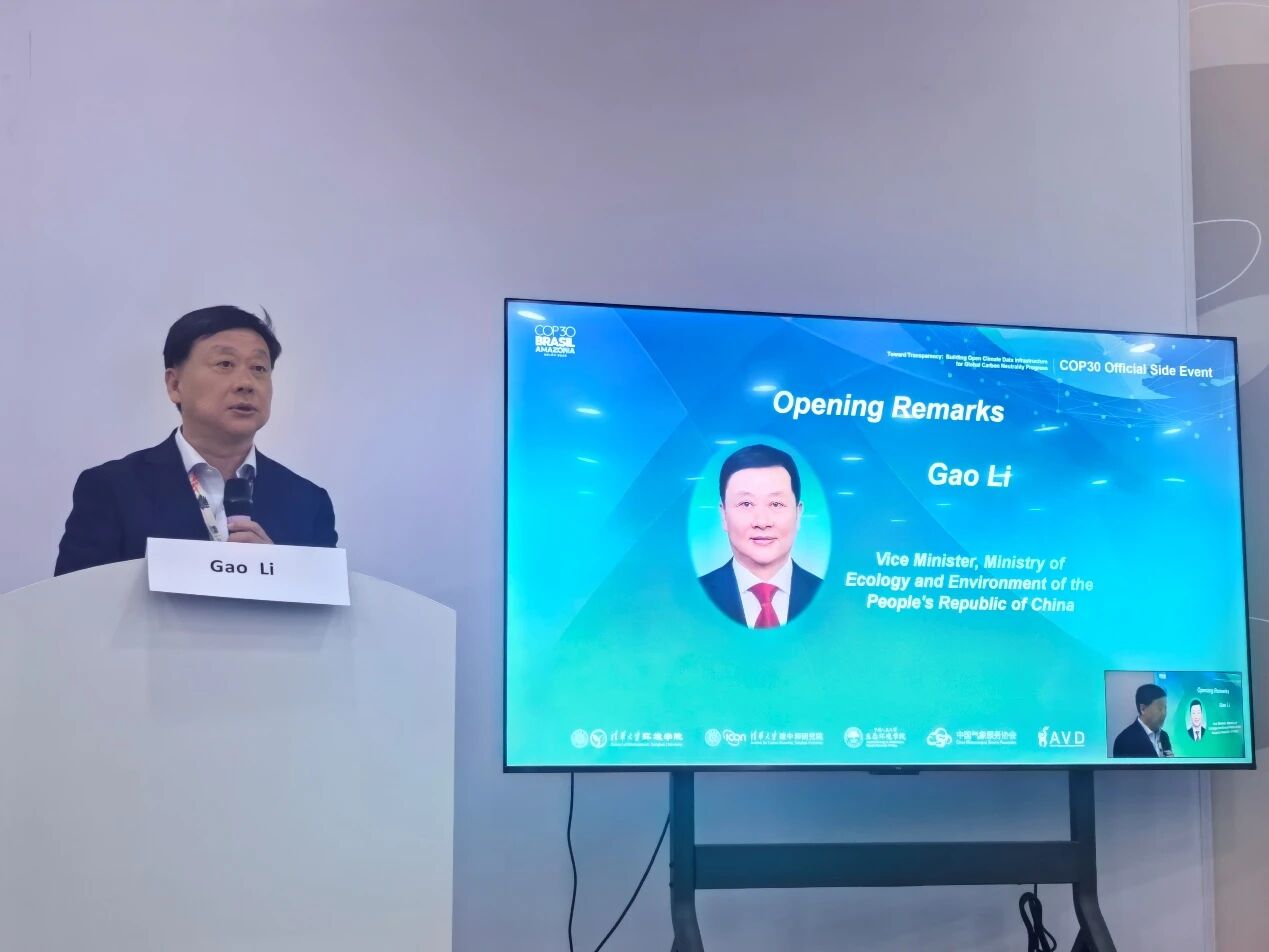
Li Gao Delivering Speech
Xu Xiaofeng, President of the China Meteorological Service Association, delivered a speech emphasizing the fundamental role of meteorological data and climate services in national policy formulation and implementation, including their significant value in supporting disaster prevention, extreme weather response, and adaptation actions. He pointed out that strengthening global meteorological information sharing is an important direction for enhancing the resilience of the global climate governance system.
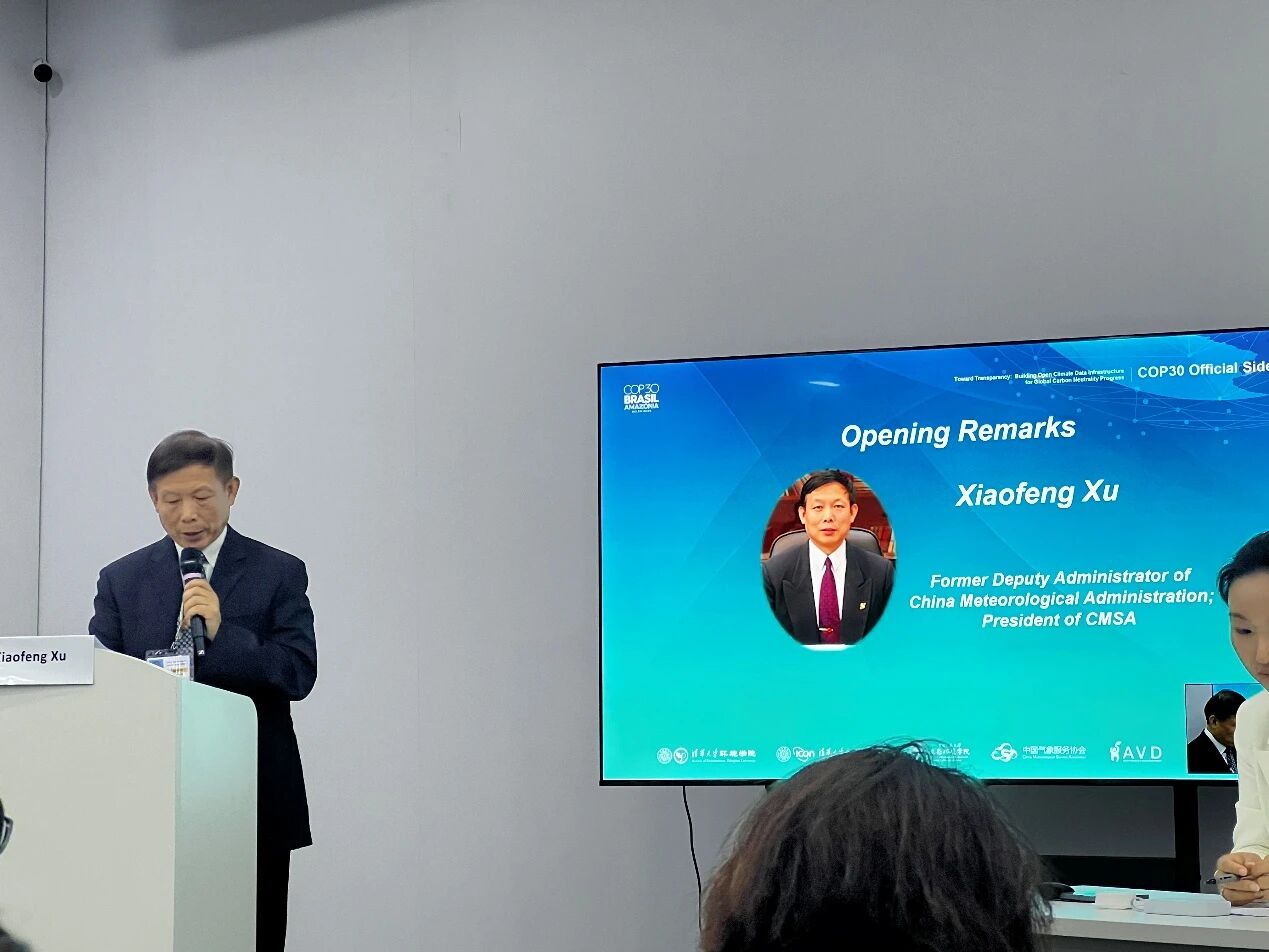
Xu Xiaofeng Delivering Speech
During the keynote presentations, Professor Wang Can from the School of Environment, Tsinghua University, and Jamal Srouji, Senior Fellow at the World Resources Institute (WRI), introduced two representative international assessment reports: the "2025 Global Carbon Neutrality Progress Assessment" and "The State of Climate Action 2025," respectively. The two studies examine global climate action from different perspectives. The former systematically assesses the progress of carbon neutrality in various countries using a "targets-policies-actions-outcomes" framework, presenting the overall pattern of global climate action amidst coexisting drivers and barriers. The latter uses the critical 2030 turning point as a benchmark to examine the ambition of new NDCs and the pace of sectoral transformation, pointing out a significant gap still exists between current commitments and achieving the Paris Agreement goals. The two reports have distinct focuses in terms of assessment perspectives, indicator systems, and key areas of concern, complementing each other effectively: one focuses on systematic progress at the national level, while the other highlights the transformation rhythm at the sectoral level. Presenting the two reports together not only illustrated the overall picture of global climate action across multiple dimensions such as countries, sectors, and critical milestones but also enhanced the systematic nature and comparability of judging global progress through their complementary assessment perspectives and methodological systems. Such a joint presentation also demonstrates the significant value of cross-institutional collaboration in enhancing transparency, optimizing data systems, and improving action implementation, providing a multi-level analytical framework and methodological support for the discussions at this side event.
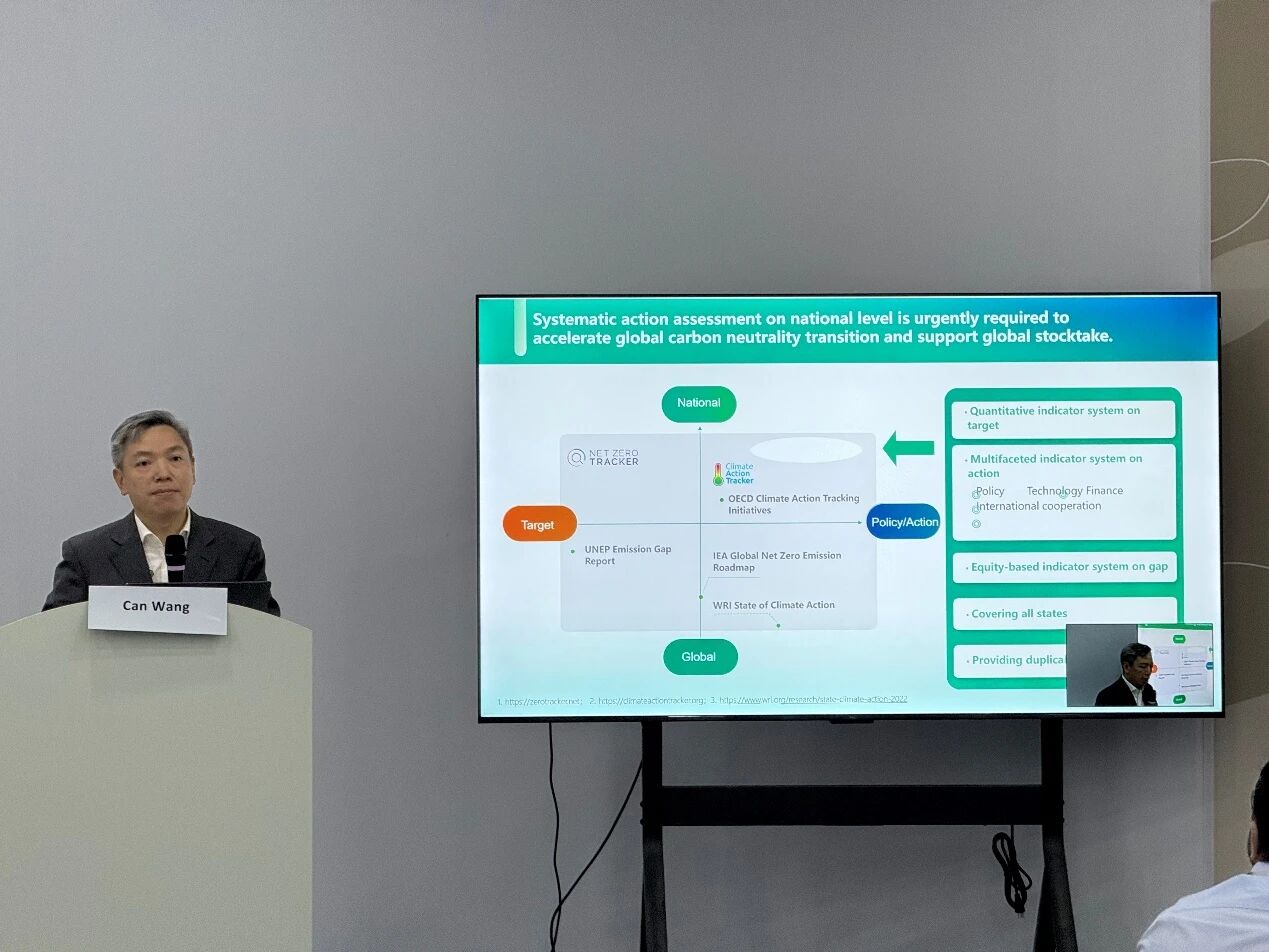
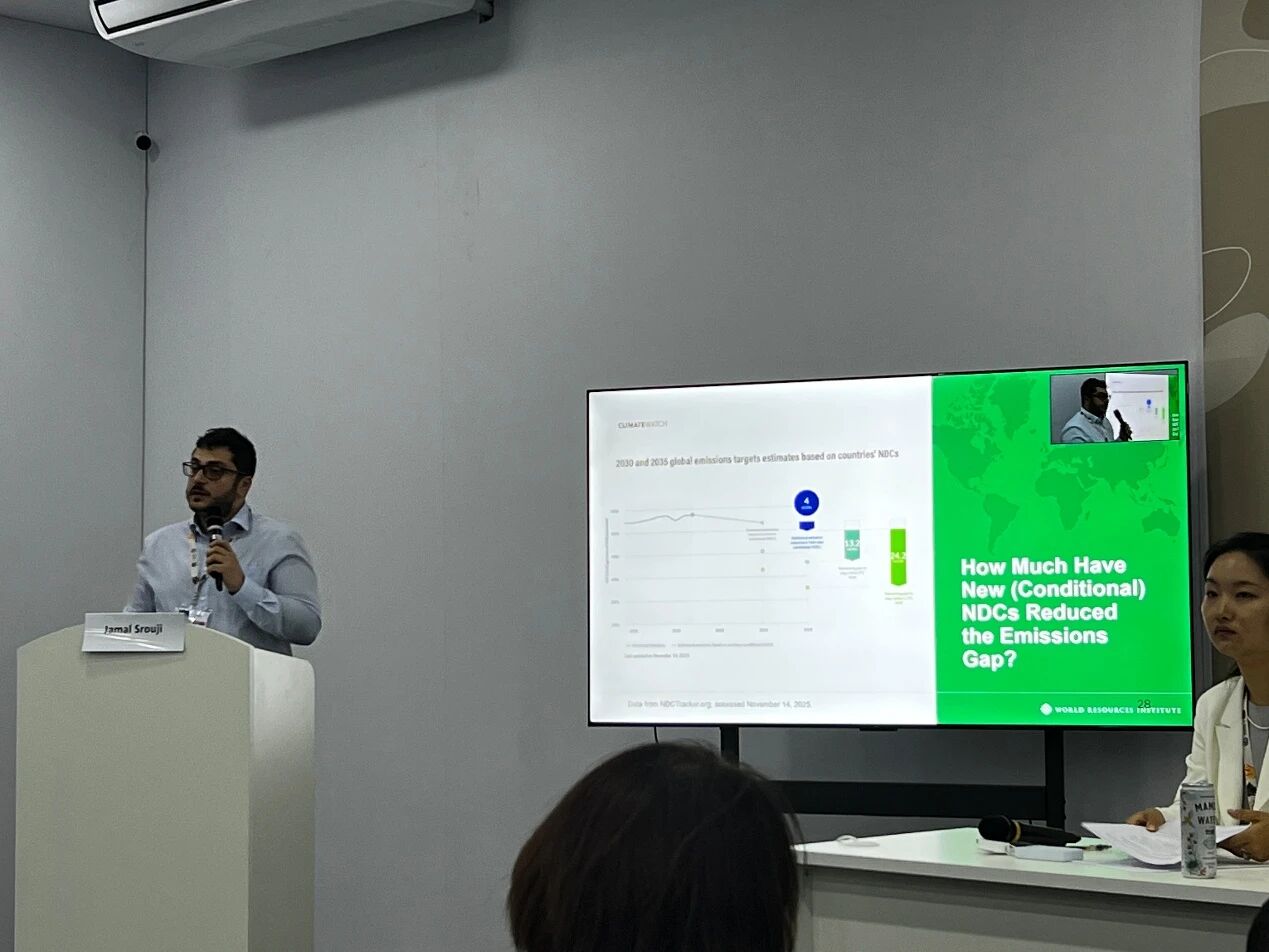
Wang Can and Jamal Srouji Delivering Keynote Speeches Respectively
The roundtable discussion was moderated by Assistant Professor Zhang Shihui from the School of Ecology and Environment, Renmin University of China. It invited several guests from different regions, research institutions, policy circles, and youth groups to share insights and discuss frontier issues related to climate data and action. Fang Li, Chief Representative of the WRI China Office, pointed out that the transformation paths globally and in China share both commonalities and differences. Progress tracking should focus not only on outcomes but also on process indicators such as policies and technologies, emphasizing the importance of localized pathways. Dong Wenjie, Dean of the School of Atmospheric Sciences, Sun Yat-sen University, and Director of the Future Earth Global Secretariat Hub (China), argued that the data gap essentially reflects an implementation and action gap, and building a climate data system is a long-term project spanning multiple COPs. Tess Isabel Nepstad Antunes, CEO of BellaTerra Consulting and a Belém native, emphasized the crucial role of South-South cooperation in narrowing the data and implementation gap. Kassim Hussein, ACE Negotiator from Ghana, shared the challenges faced by developing countries in terms of data, capacity, and financing, calling for cooperation to truly integrate data into policymaking. Youth representative Quan Zhou, drawing on his own experience, shared the potential of the "climate generation + AI generation" in innovating climate data, while also reminding attendees to be mindful of privacy and ethical issues in data application.
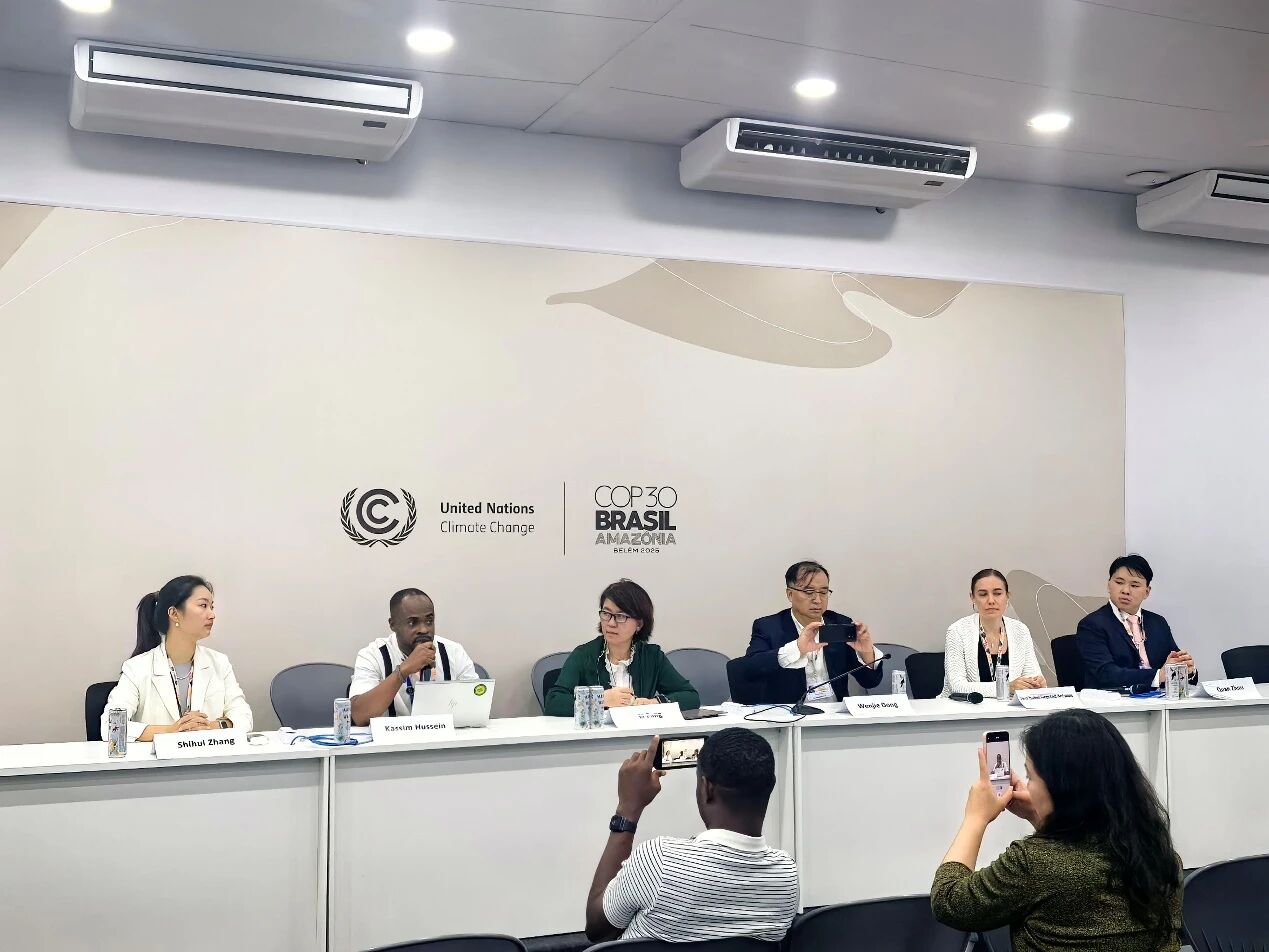
Roundtable Discussion Session
Participants generally agreed that the exchanges at this side event on transparency, data governance, and capacity building provided valuable insights for advancing global climate governance from target setting to comprehensive implementation. Whether through progress assessments, action gap analysis, policy guidance, or the participation of youth, it reflects a common aspiration across sectors to promote the implementation of the Paris Agreement through openness and cooperation. This discussion not only showcased the collaborative efforts of multiple stakeholders in advancing climate action but also provided new ideas and directional references for deepening future cooperation in areas such as data sharing, capacity building, and policy synergy.


 Latest recommendations