On November 18, local time, the side event themed "Carbon Neutrality and Energy System Transformation (CNEST): Advancing technology, industry, and policy innovations and international collaboration" was successfully held at the China Pavilion during the 30th United Nations Climate Change Conference (COP30) in Belém, Brazil. The side event was co-hosted by the Institute for Carbon Neutrality, Tsinghua University, the Administrative Center for China's Agenda 21, China Huaneng Group Co., Ltd., and Mingyang Smart Energy Group Co., Ltd. Marking the tenth anniversary of the Paris Agreement and a critical phase in global climate governance, the conference brought together representatives from global political, industrial, academic, and research sectors to jointly explore key scientific and practical issues urgently needing solutions for global carbon neutrality and energy system transformation, along with innovative solutions. Leveraging the "Carbon Neutrality and Energy System Transformation" (CNEST) multilateral collaboration program as a vital platform, the event aimed to promote innovation in technology, industry, policy, and international cooperation.
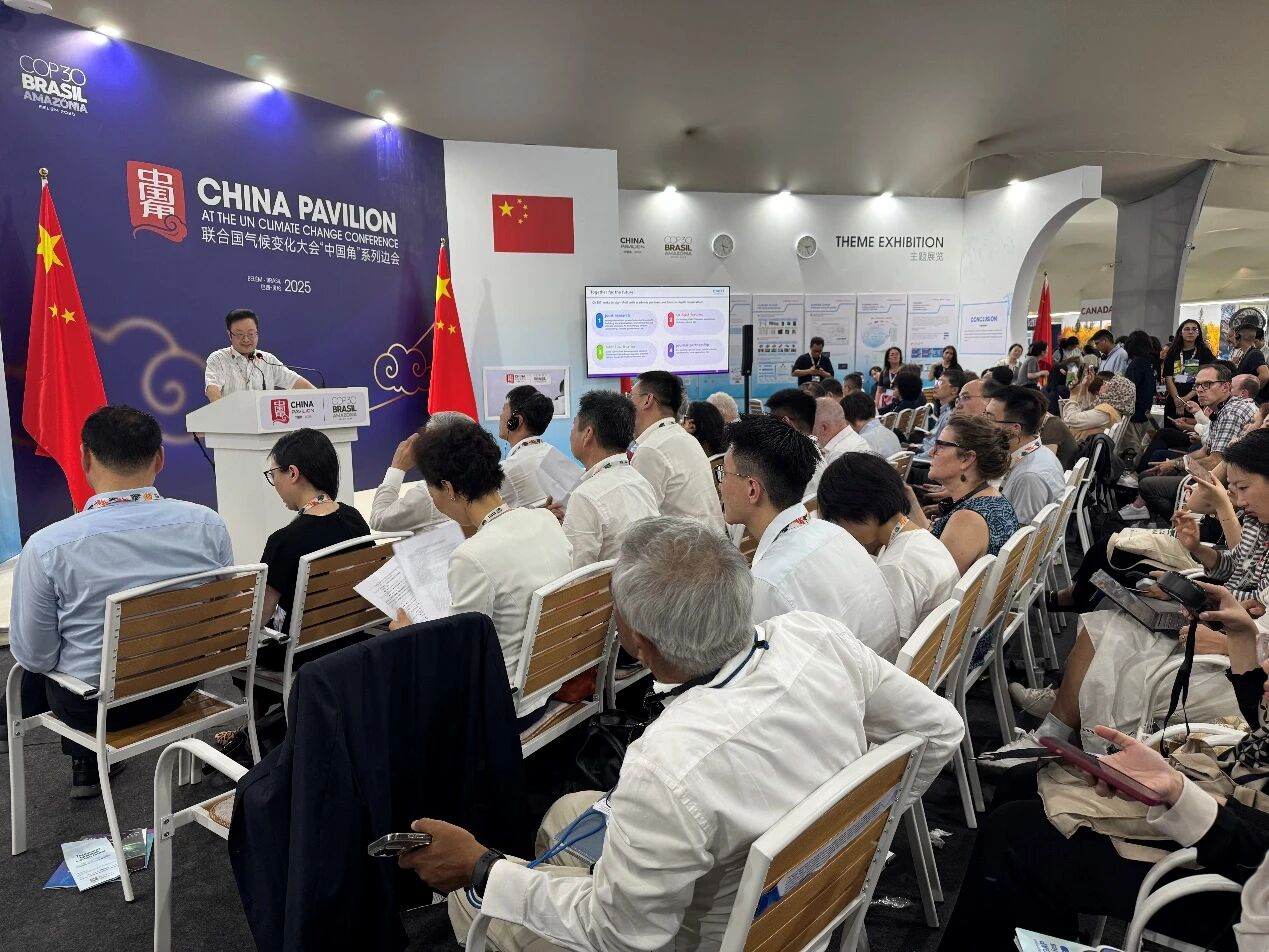
Side Event Scene
Building Global Consensus, Envisioning the Transformation Together
Li Gao, Head of the Chinese Delegation to COP30 and Vice Minister of Ecology and Environment, stated in his address that the energy system is the primary source of global greenhouse gas emissions, and its green transition is crucial for achieving carbon neutrality. China has built the world's largest and fastest-growing renewable energy system, but the absorption capacity of its power grid is facing severe tests. Therefore, promoting the digital and intelligent transformation of the energy system and developing "energy system transformation" is particularly important and urgent. He expressed hope that through the CNEST multilateral collaboration platform, technological innovation cooperation could be deepened, industrial synergy promoted, and policy communication and dialogue strengthened. He called on all parties to work together to drive the carbon neutrality process with energy system transformation and contribute to global climate governance.
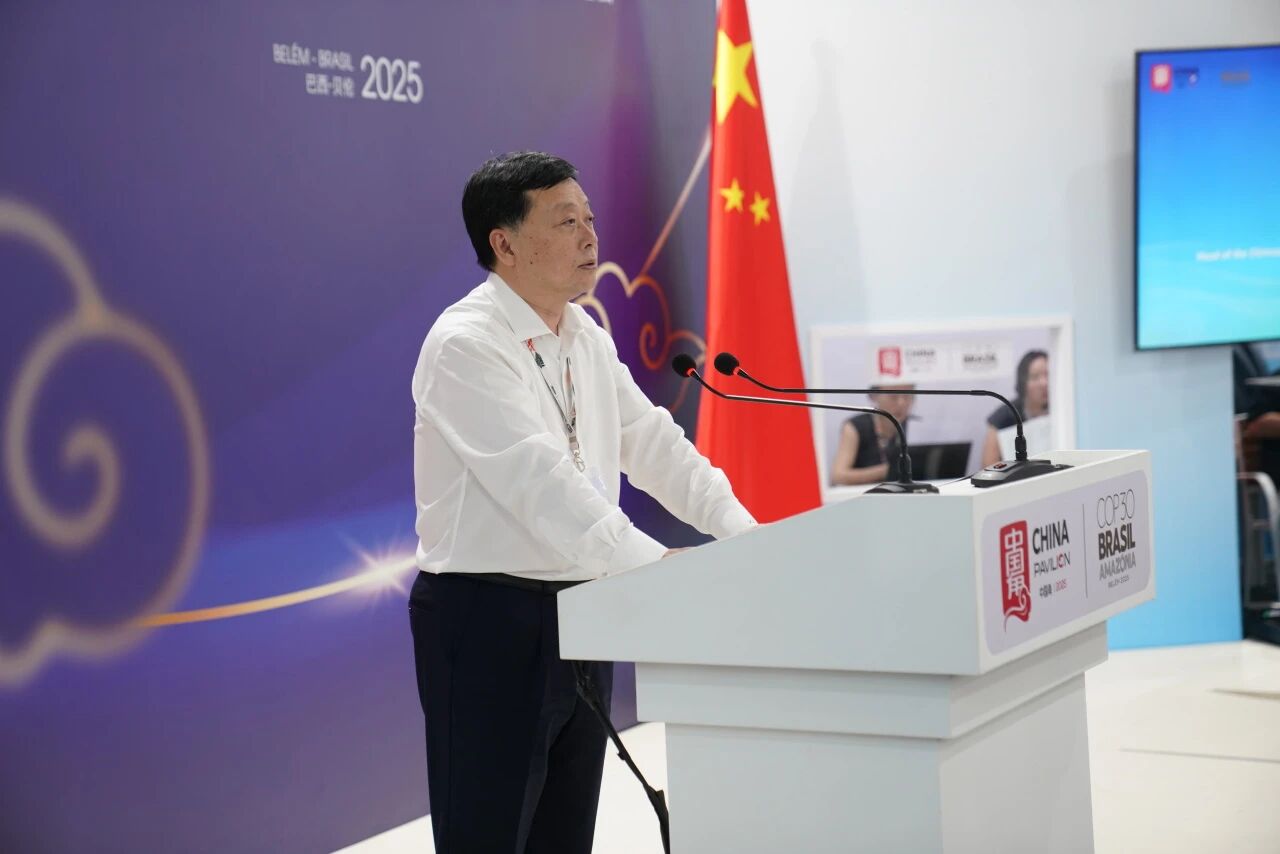
Li Gao Delivering Speech
Ariesta Ningrum, Director of the Climate Technology Centre and Network, UN Environment Programme, stated in her address that the CNEST multilateral collaboration program is an impactful platform promoting science-based and implementation-oriented innovation. This global cooperation initiative will facilitate the generation of solutions by governments, research institutions, enterprises, and various sectors of society, advance the implementation of scalable innovations, and accelerate systemic changes in the energy sector.
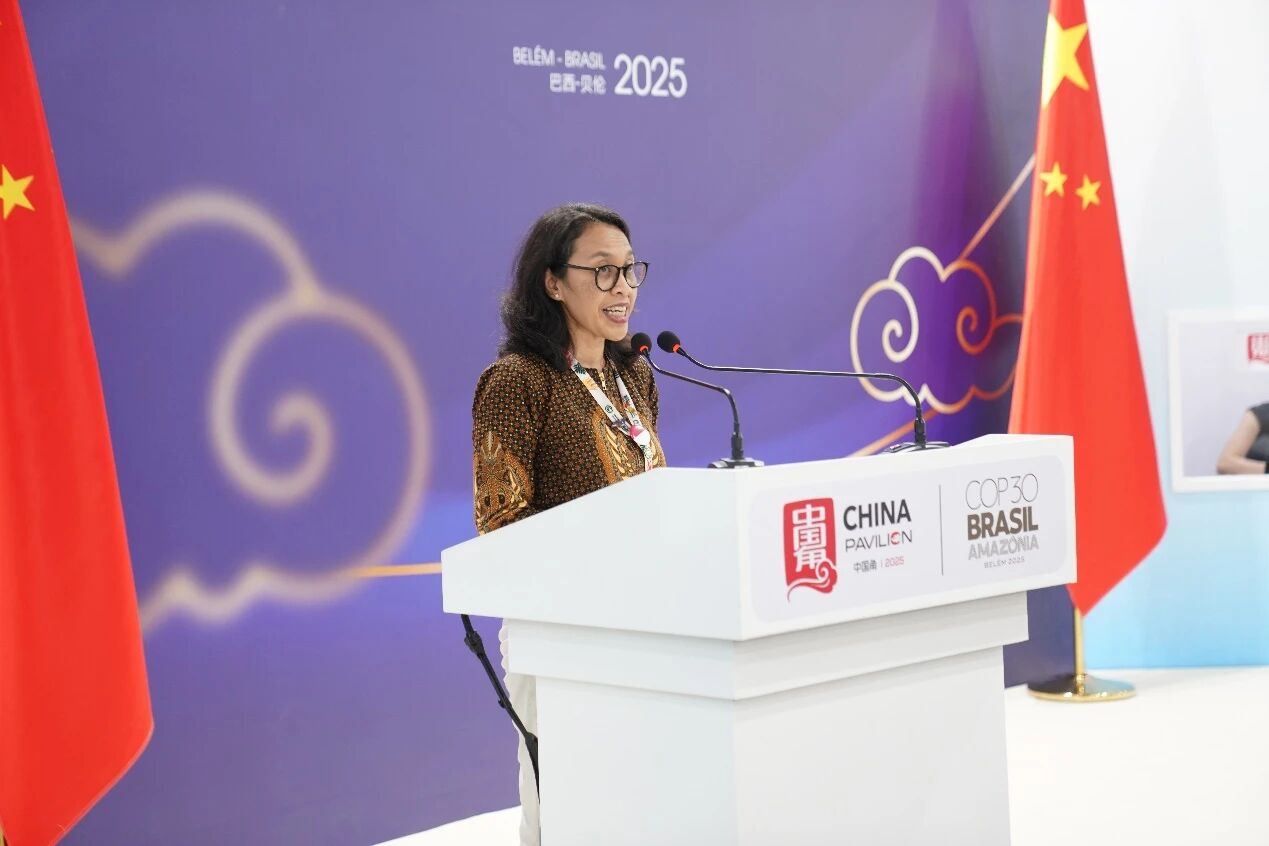
Ariesta Ningrum Delivering Speech
Jiang Peixue, Academician of the Chinese Academy of Sciences, Professor at the Department of Energy and Power Engineering, Tsinghua University, and Lead of the CNEST multilateral collaboration program, pointed out in his address that building a new generation energy system is key to achieving carbon neutrality and sustainable development. The CNEST program, based on assessments from the global carbon flux network, fully utilizes artificial intelligence to analyze carbon sources and sinks, integrates advanced computing technologies with energy networks, and is dedicated to exploring the optimal model for a new generation energy system. He emphasized that CNEST is an open cooperation platform, bringing together forces from governments, academia, industry, and international organizations to jointly promote the transformation of the global energy system through various means. He welcomed global partners to join the collaboration and create a prosperous and sustainable future together.
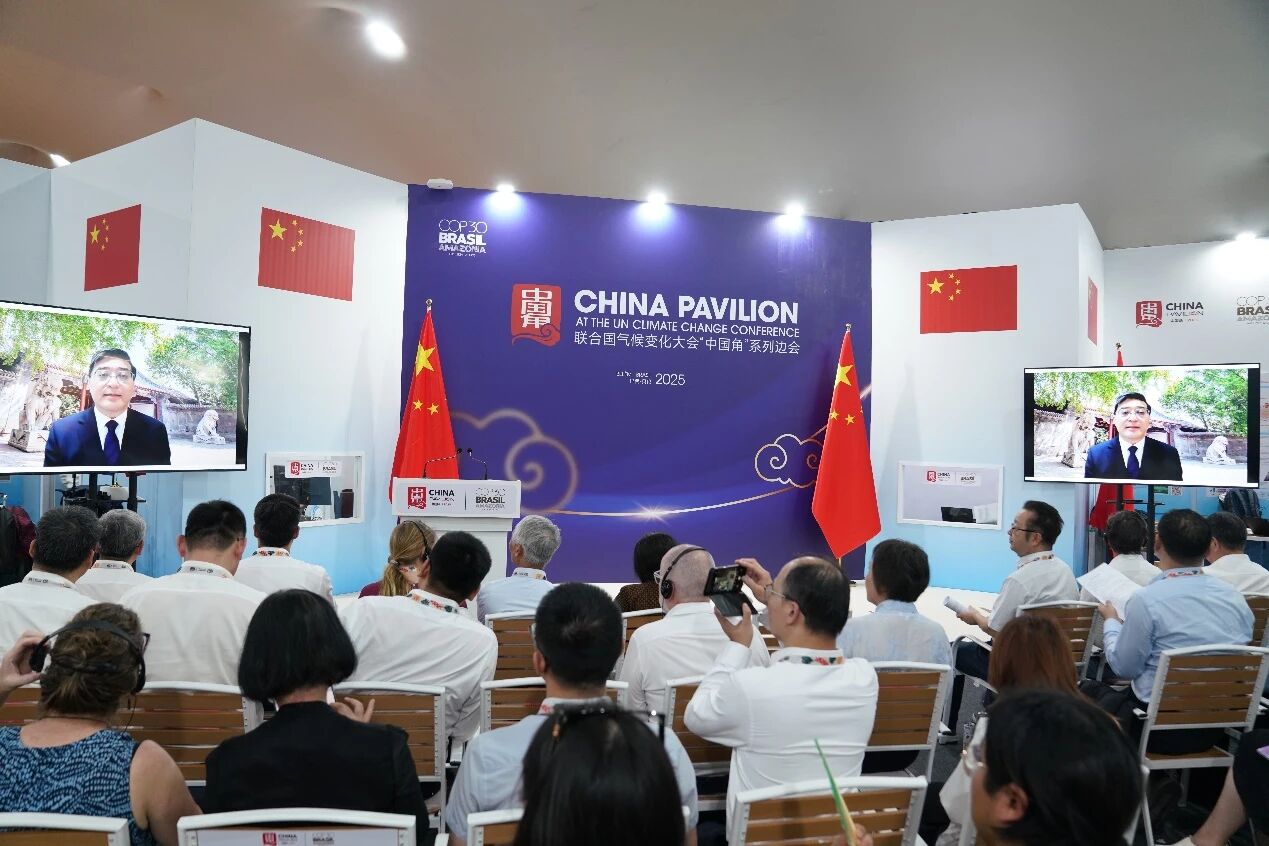
Jiang Peixue Delivering Speech via Video
Focusing on System Restructuring, Discussing Transformation Pathways Together
The side event featured three thematic keynote speech sessions. The first thematic session, "Carbon Neutrality and Energy System Transformation: Strategic Planning and Assessment," was chaired by Lu Xi, Assistant Dean of the Institute for Carbon Neutrality, Tsinghua University.
Chen Deliang, Foreign Academician of the Chinese Academy of Sciences, Academician of the Royal Swedish Academy of Sciences, and Professor at the Department of Earth System Science, Tsinghua University, stated in his keynote speech that enhancing the climate resilience of the energy system is crucial. Measures such as increasing interconnectivity, improving energy storage, and optimizing traditional power plants are necessary to address threats to power supply security posed by increasing compound extreme climate events.
Piers Forster, Chair of the UK Climate Change Committee, shared the UK's experience in advancing the carbon neutrality process through establishing legally binding "carbon budget" mechanisms, emphasizing that clear policies and credible plans are key to achieving climate goals.
Kira Vinke, Director of the Center for Climate and Foreign Policy, German Council on Foreign Relations, stated that energy security requires systematic consideration of supply, infrastructure, and critical raw materials, along with attention to their close relationship with human security. She emphasized that achieving net-zero emissions still faces challenges, necessitating enhanced supply chain diversification, responses to market volatility, and countering misinformation about renewable energy technologies.
He Kebin, Academician of the Chinese Academy of Engineering and Dean of the Institute for Carbon Neutrality, Tsinghua University, focused on introducing the CNEST multilateral collaboration program. He stated that CNEST aims to build a safe, green, and economical new generation energy system. Facing global climate crises and energy transition challenges, CNEST promotes energy system optimization, global carbon quantification network construction, and digital twin technology development through innovation, interdisciplinary approaches, and international cooperation. It has currently cooperated with 64 institutions or teams from 27 countries, jointly advancing scientific research, industrial synergy, and talent cultivation to accelerate the achievement of global carbon neutrality goals.
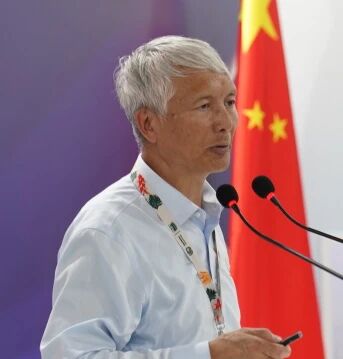
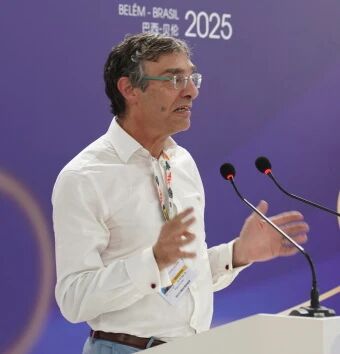
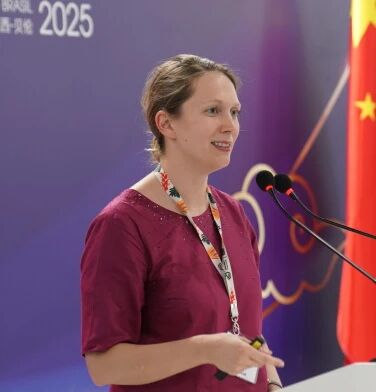
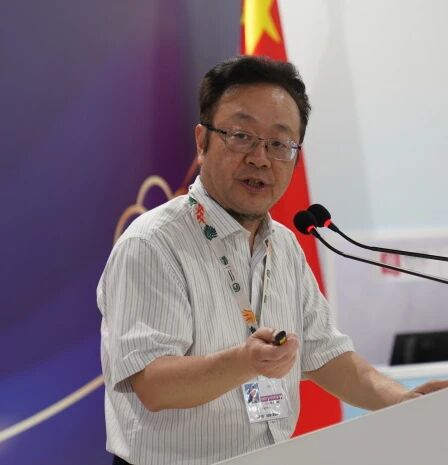
Chen Deliang, Piers Forster, Kira Vinke, He Kebin Delivering Keynote Speeches; Lu Xi Chairing
The second thematic session, "Carbon Neutrality and Energy System Transformation: Monitoring and System Technologies," was chaired by Sun Xin, Researcher at the Institute for Carbon Neutrality, Tsinghua University.
Hao Jinyu, Vice President of China Huaneng Group Co., Ltd., stated in his address that the power industry is a key area for carbon emission reduction. In recent years, China's power sector has achieved significant results in low-carbon transformation, building the world's largest and fastest-growing renewable energy system. For every three kilowatt-hours of electricity consumed nationwide, one comes from green power. China Huaneng has consistently adhered to green and low-carbon development, continuously promoting energy structure adjustment, technological innovation, and international cooperation. It has constructed and operated landmark projects such as the world's first fourth-generation nuclear power plant – the Shidaowan High-Temperature Gas-Cooled Reactor Demonstration Project in Shandong, and the world's largest 1.5 million tons/year coal-fired power CCUS demonstration project, providing practical cases for the green and low-carbon transformation of the energy and power sector.
Zhao Liang, Deputy Director of the Energy Research Institute, China Huaneng Group Co., Ltd., shared a report titled "Research on a standardized accounting, measurement and certification system for product carbon footprints," focusing on theoretical methods, standards and specifications, data foundations, accounting and certification for product carbon footprint management, as well as practices in digital platform construction, contributing to the establishment of a product carbon footprint management system.
Andrew Wilson, Deputy Director General of the International Chamber of Commerce, introduced that establishing a comprehensive carbon accounting system framework based on a ledger, covering both products and enterprises, is key to solving the current trust deficit in carbon data and solidifying the foundation of the global carbon market.
Zheng Chenghang, Associate Dean of the College of Energy Engineering, Zhejiang University, introduced key pathways to achieving carbon neutrality – energy system modeling and intelligent control. He stated that facing challenges in renewable energy integration and system security, the deep integration of digital technologies like AI with the energy sector must be strengthened. He shared multiple innovative practical achievements, including "meteorology-energy" large models, hybrid energy storage and green fuel technologies, offshore energy islands, flexible low-carbon smart power plants, multi-energy complementary system optimization, and AI-driven R&D of green and low-carbon materials.
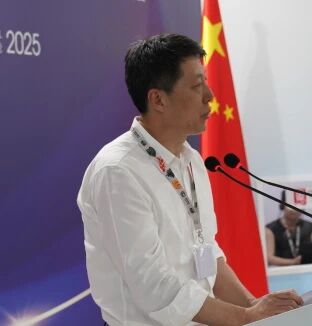
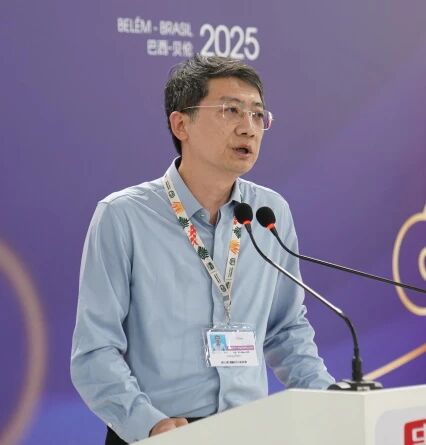
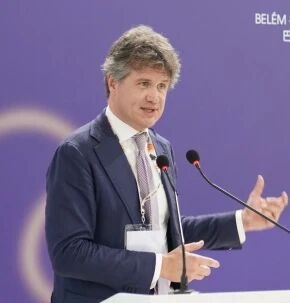
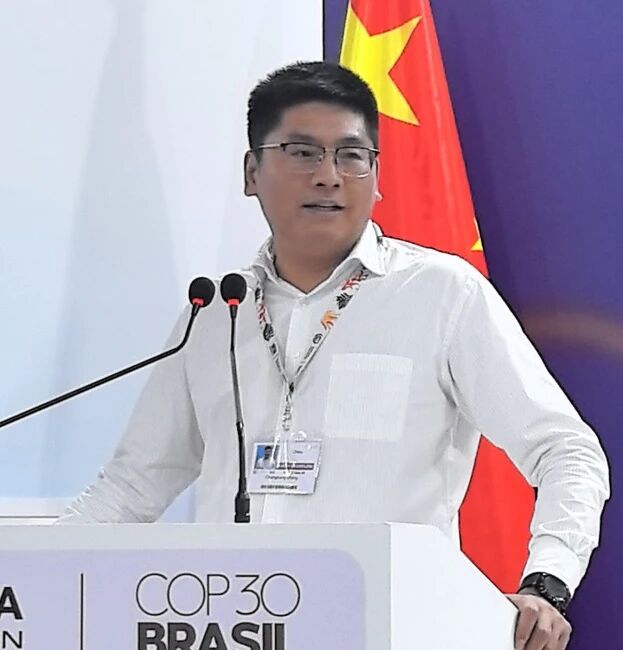
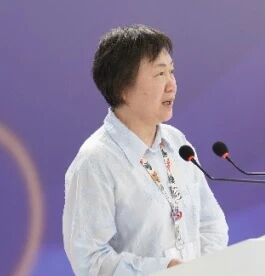
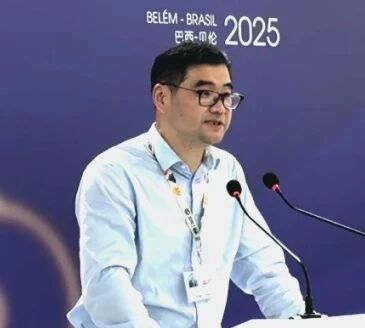
Hao jinyu, Zhao Liang, Andrew Wilson, Zheng Chenghang Delivering Keynote Speeches; Sun Xin Chairing
The third thematic session, "Carbon Neutrality and Energy System Transformation: Key Supporting Technologies and Applications," was chaired by Mu Qing, Senior Manager at the Institute for Carbon Neutrality, Tsinghua University.
Zhang Qiying, President of International Business at Mingyang Smart Energy Group Co., Ltd., showcased a series of representative innovative achievements in China's offshore wind power, including the world's largest floating wind power platform currently in operation, the "Mingyang Tiancheng," and Mingyang's newly released next-generation medium-speed compact semi-direct drive technology. Zhang Qiying stated that through material and structural innovations, deeply integrated with technologies like AI, the typhoon resistance performance of wind turbines can be further enhanced, and the construction costs of floating turbines can be further reduced. Simultaneously, innovations in integrated models like "offshore wind power + ocean ranching" will further promote the efficient and intensive development of offshore resources.
Han Lei, Professor at the School of Energy Science and Engineering, Harbin Institute of Technology, shared research on optimizing multi-timescale cascaded hydro-photovoltaic complementary systems based on intelligent algorithms. This research proposes optimization methods addressing the instability of photovoltaic power generation, effectively improving the operational efficiency and economic viability of clean energy coordination.
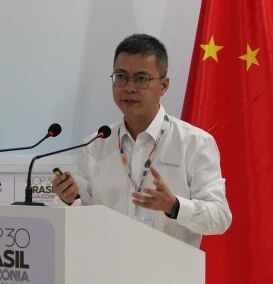
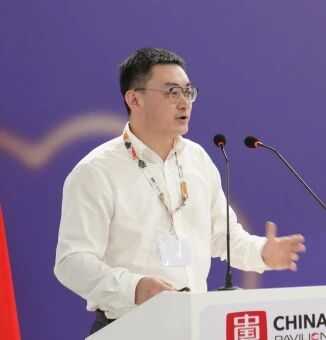
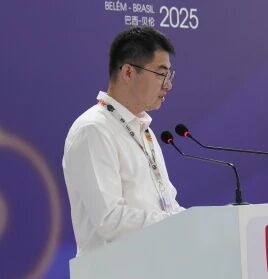
Zhang Qiying, Han Lei Delivering Keynote Speeches; Mu Qing Chairing
Major Achievements Released, Outlining Action Roadmaps
This side event served as a platform for releasing several significant research outcomes. The release ceremonies were respectively chaired by Lu Xi, Liu Wenli, Deputy Director of the International Business Department, China Huaneng Group Co., Ltd., and Li Yinan, Senior Public Relations Manager, Brand Management Center, Mingyang Smart Energy Group Co., Ltd..
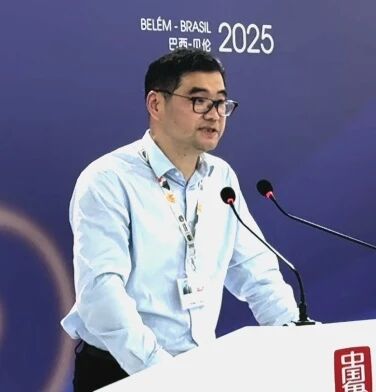
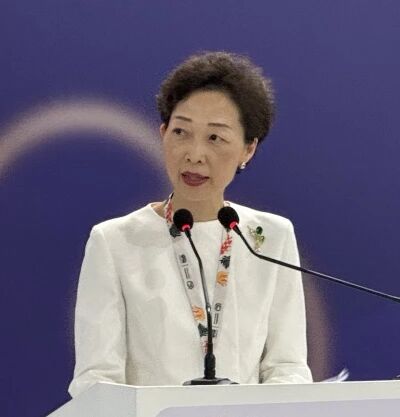
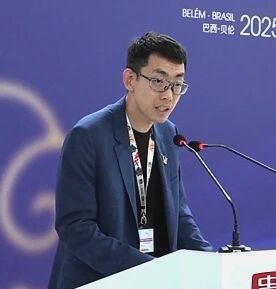
Lu Xi, Liu Wenli, Li Yinan Chairing Release Ceremonies
Regarding global progress tracking and analysis, Professor Wang Can from Tsinghua University released the "2025 Global Carbon Neutrality Annual Progress Report," systematically assessing the carbon neutrality progress of various countries using the "targets-policies-actions-outcomes" framework. It presents the overall pattern of global climate action amidst coexisting drivers and barriers, providing an authoritative reference for global climate governance.
The Technology Review for Carbon Neutrality (TRCN) journal, released by Professor Lu Xi from Tsinghua University, aims to track global carbon neutrality technology-industry-policy innovation and build a global platform for exchange and collaboration in the field of carbon neutrality and energy system transformation.
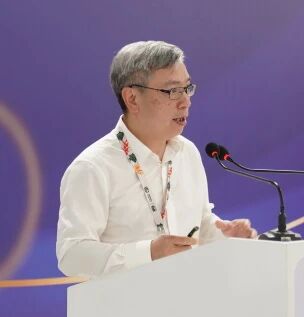
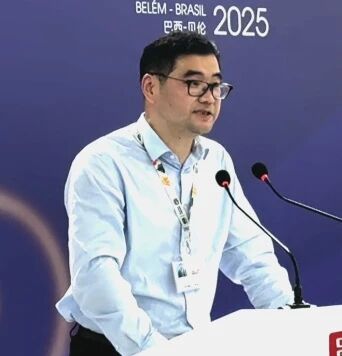
Wang Can, Lu Xi Releasing Research Report and Journal Outcomes
Regarding technology and pathway outlooks, Fu Sha, Executive Director of Strategy and Integration at the Energy Foundation, released the "Report of Synergetic Roadmap on Carbon Neutrality and Clean Air for China (2025)," which can be described as China's "annual health checkup for Dual Carbon and Blue Skies." The report uses 20 core indicators with high update frequency to simultaneously monitor carbon reduction magnitude, pollution concentration, and health benefits, providing a verifiable, benchmarkable, and implementable quantitative baseline for concluding the 14th Five-Year Plan and commencing the 15th Five-Year Plan.
Peng Tianduo, Associate Researcher at the Institute of Climate Change and Sustainable Development, Tsinghua University, released research findings on "Planning and operations of electrolytic hydrogen-based iron and steel production in China," providing references for the deep decarbonization development of the steel industry.
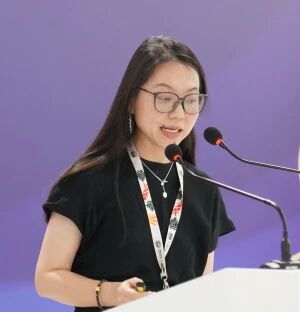
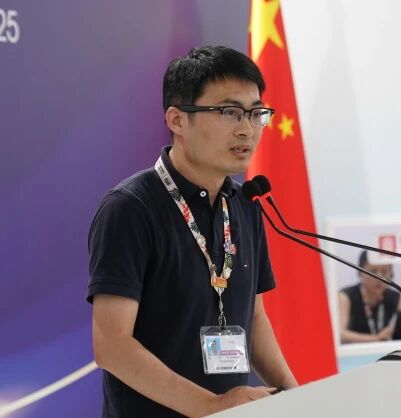
Fu Sha, Peng Tianduo Releasing Research Report Outcomes
Regarding industrial practical experience, Shu Anjie, Director of the Energy Research Institute, China Huaneng Group Co., Ltd., on behalf of the research team, released the new book "The Transformation of Power Generation Enterprises in the Context of China's Dual Carbon Goals". The book focuses on research reflections and practical explorations concerning the green and low-carbon development path of China's power industry, the transformation path of power generation enterprises, directions for key technological innovation, and basic capacity building.
Hu Yang, General Manager of the Brand Management Center, Mingyang Smart Energy Group Co., Ltd., shared Mingyang's practical achievements in harmonizing deep-sea development with environmental protection under the title "Building a deep blue future: advancing sustainable use of ocean resources through technology and governance," providing a reference for the green and healthy development of the new energy industry.
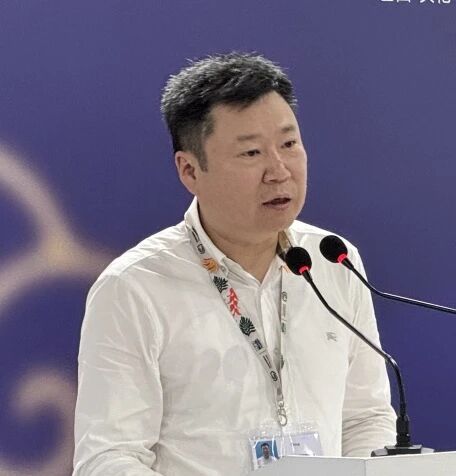
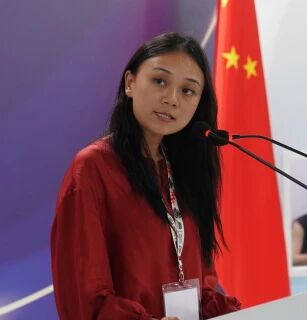
Shu Anjie, Hu Yang Releasing Book and Practical Achievement Outcomes
Regarding data monitoring and support, Tsinghua University PhD candidate Li Shuping and Research Associate Liu Yingxue jointly released the "Annual Report 2025 for CO2 Emission Accounts of Global Emerging Economies" and the "Annual Report 2025 for CO2 Emission Footprint of Global Emerging Economies". Compiled by the China Carbon Accounting Database team at Tsinghua University, these reports aim to build comprehensive, fully transparent, free, comparable, and verifiable carbon emission inventories for emerging economies, providing a solid data foundation for global climate governance.
Deng Zhu, Research Assistant at the University of Hong Kong, released the "Global Near-Real-Time Daily Carbon Dioxide Emissions Report (2025)". Compiled by the Carbon Monitor team and global partners, it presents global CO2 emission trends in near-real-time for 2025, reveals the national and sectoral dynamics driving changes, and explains how daily data supports the tracking and implementation of NDCs and the Global Stocktake, providing data support for accurately grasping the spatiotemporal patterns of emission fluctuations and formulating timely and effective emission reduction policies.
Song Weize, Research Assistant at Tsinghua University, released the "Scenario X: China shared socioeconomic pathways data platform". It is not only the first domestic comprehensive database focused on climate and energy at the provincial scale but also an open research collaboration platform. It demonstrates that China's climate governance has officially entered a new phase of "data-driven decision-making" and provides an authoritative, transparent data foundation for global researchers to understand China's low-carbon transition pathways.
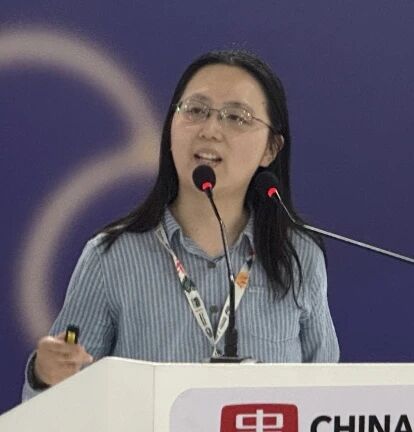
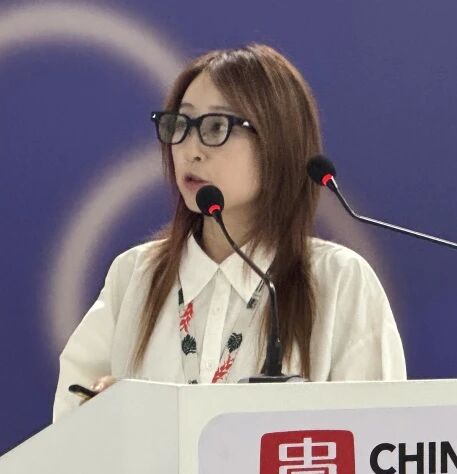
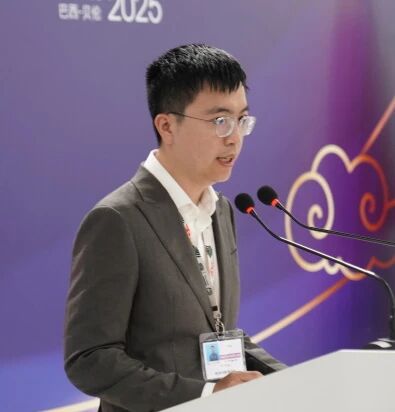
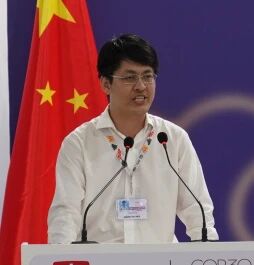
Li Shuping, Liu Yingxue, Deng Zhu, Song Weize Releasing Research Reports and Database Outcomes
Promoting Cross-Sector Dialogue, Injecting Momentum for Cooperation
The side event featured a roundtable forum themed "What international collaboration models and mechanisms to drive carbon neutrality and energy system transformation?" with guests from governments, international organizations, academia, and industry contributing rich and diverse perspectives.
The roundtable forum was chaired by Li Zheng, Dean of the Institute of Climate Change and Sustainable Development, Tsinghua University. Participants included Chai Qimin, Director and Researcher of the Strategy and Planning Department, National Center for Climate Change Strategy and International Cooperation; André Guimarães, Executive Director of the Amazon Environmental Research Institute; Zhang Qiying, President of Mingyang Smart Energy Group Co., Ltd.; Shen Xiaomeng, Vice-Rector of the United Nations University (Europe) and Director of the Institute for Environment and Human Security; Liu Wei, Vice General Manager of ESG and Strategy Lead at Alibaba Group, and Associate Director of the ANGEL Corporate Lab; and Maximilian Jungmann, Managing Director of the Heidelberg Center for the Environment, Heidelberg University.
Experts indicated that the continuous implementation and scaling of all achievements depend on an efficient and sustainable international cooperation mechanism—one that can break down information barriers in transnational collaboration, coordinate standard differences, balance interest distribution, and allow the innovative vitality of industry, academia, and research to flow freely globally. Participating experts discussed topics such as experiences and challenges in international industry-university-research cooperation on carbon neutrality, and typical cases of effective mechanisms and mechanism gaps, aiming to find "solutions" for global carbon neutrality industry-university-research cooperation and build more pragmatic bridges for subsequent collaboration.
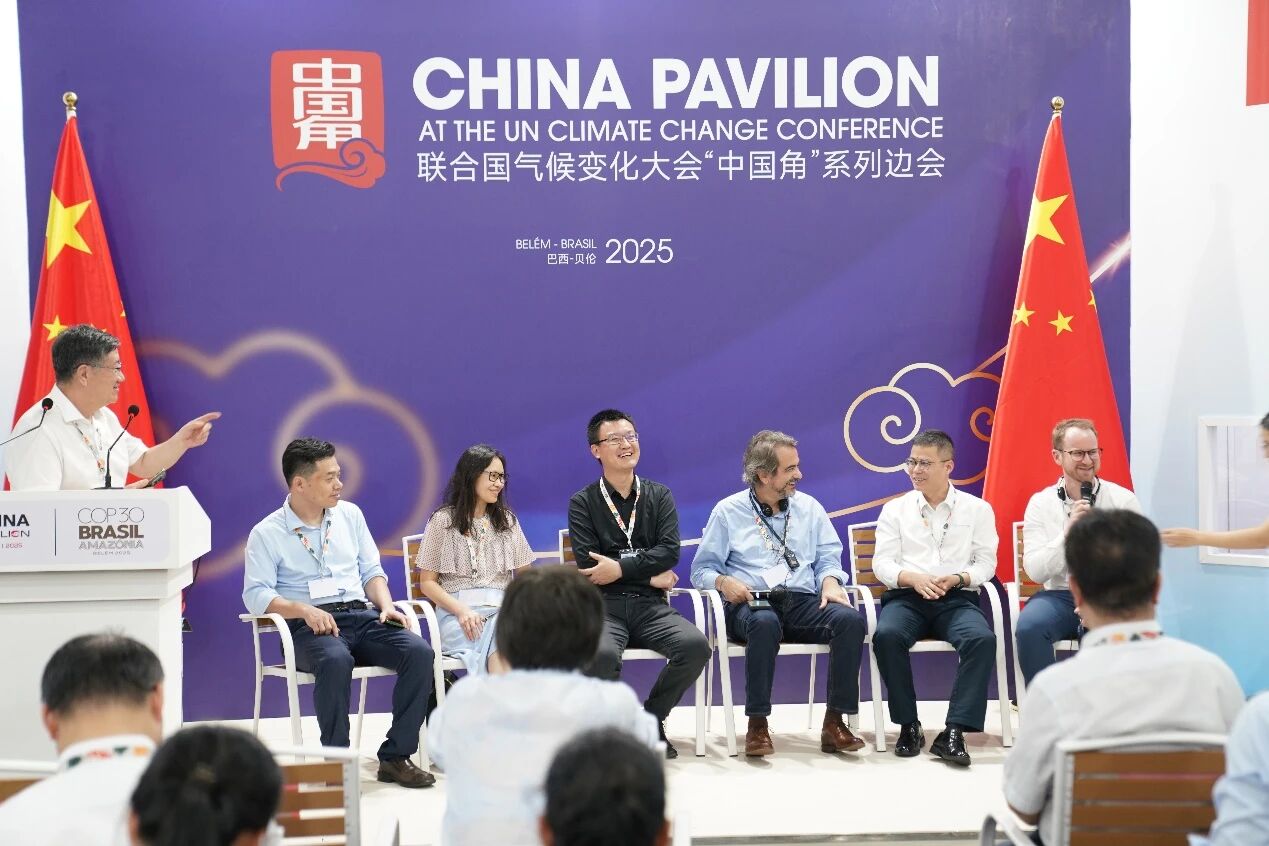
Li Zheng Chairing; Participants from left to right: Liu Wei, Shen Xiaomeng, Chai Qimin, André Guimarães, Zhang Qiying, Maximilian Jungmann Engaging in Discussion
This side event, relying on the CNEST multilateral collaboration program initiated by Tsinghua University, facilitated in-depth cross-sector dialogue and substantive outcome releases. It fostered exchanges and discussions on multiple dimensions related to global carbon neutrality and energy system transformation, including strategic planning and assessment, carbon monitoring and accounting, systemic technologies and key supporting technologies, and international cooperation mechanisms. The event consolidated international consensus, deepened international cooperation, and injected new momentum into global carbon neutrality and energy system transformation.


 Latest recommendations