On November 19, local time, at the UN Climate Change Global Innovation Hub during the 30th United Nations Climate Change Conference (COP30) in Belém, Brazil, the side event themed "What innovations for carbon neutrality and energy system transformation?" was successfully held. The event was co-hosted by the UN Climate Change Global Innovation Hub, the Institute for Carbon Neutrality, Tsinghua University, and the journal Technology Review for Carbon Neutrality(TRCN).
James Grabert, Director of the Mitigation Division at the UN Climate Change Secretariat, delivered a speech at the side event. He emphasized that carbon neutrality and energy system transformation involve not only engineering and technological challenges but also social transformations across supply chains, labor markets, urban planning, digitalization, finance, governance, and more. The UN Climate Change Secretariat established the Global Innovation Hub to promote disruptive innovation and create new cooperation mechanisms to achieve shared outcomes.
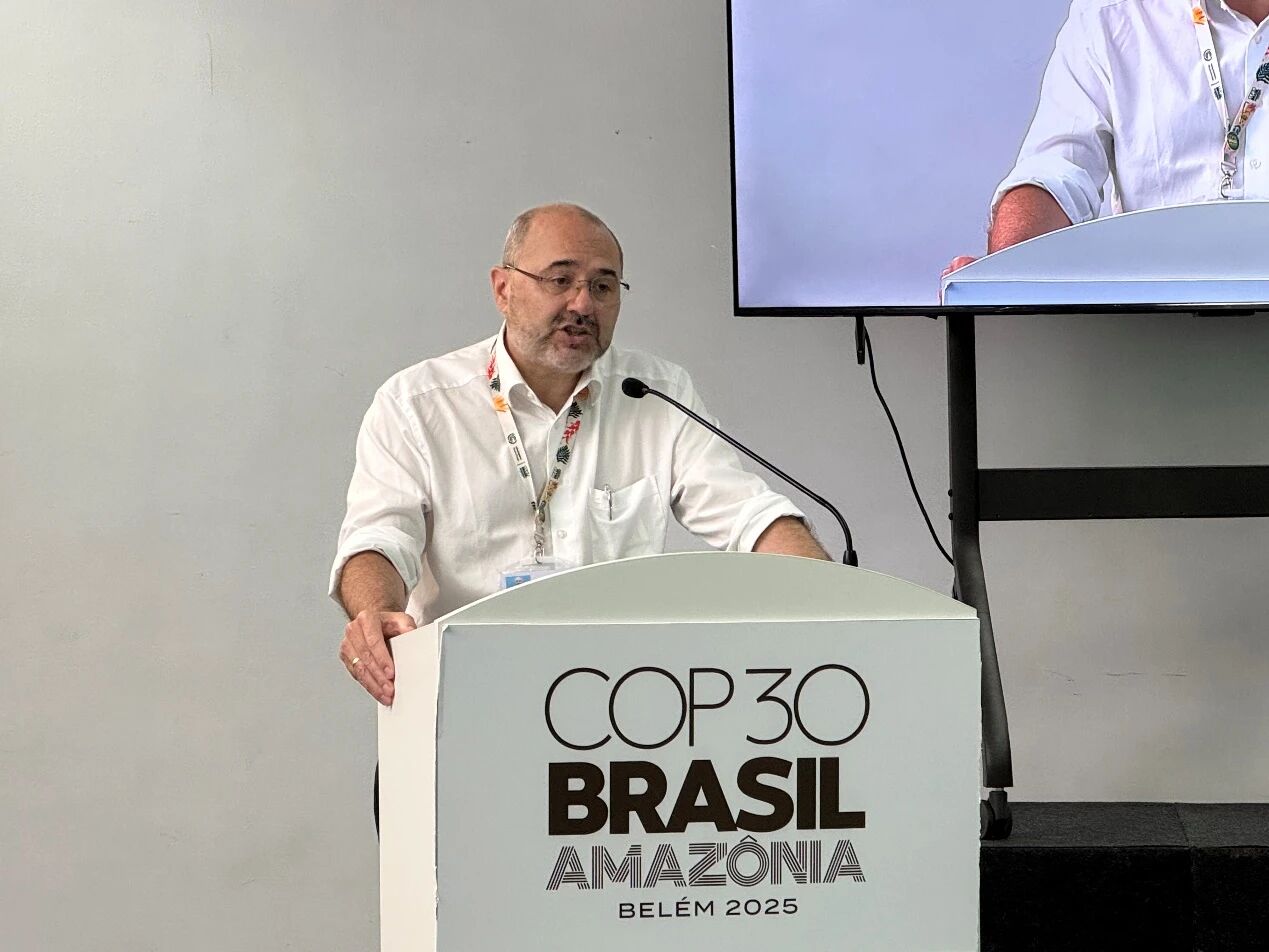
James Grabert Delivering Speech
He Kebin, Dean of the Institute for Carbon Neutrality, Tsinghua University, and Editor-in-Chief of Technology Review for Carbon Neutrality (TRCN), delivered a speech at the side event. He stated that the Institute has established a friendly partnership with the UN Climate Change Global Innovation Hub, with both sides recognizing the critical role of systemic innovation in addressing global climate change and sustainable development. The Institute is willing to work hand-in-hand with the UN Climate Change Global Innovation Hub to advance systemic innovation and promote global carbon neutrality and sustainable development.
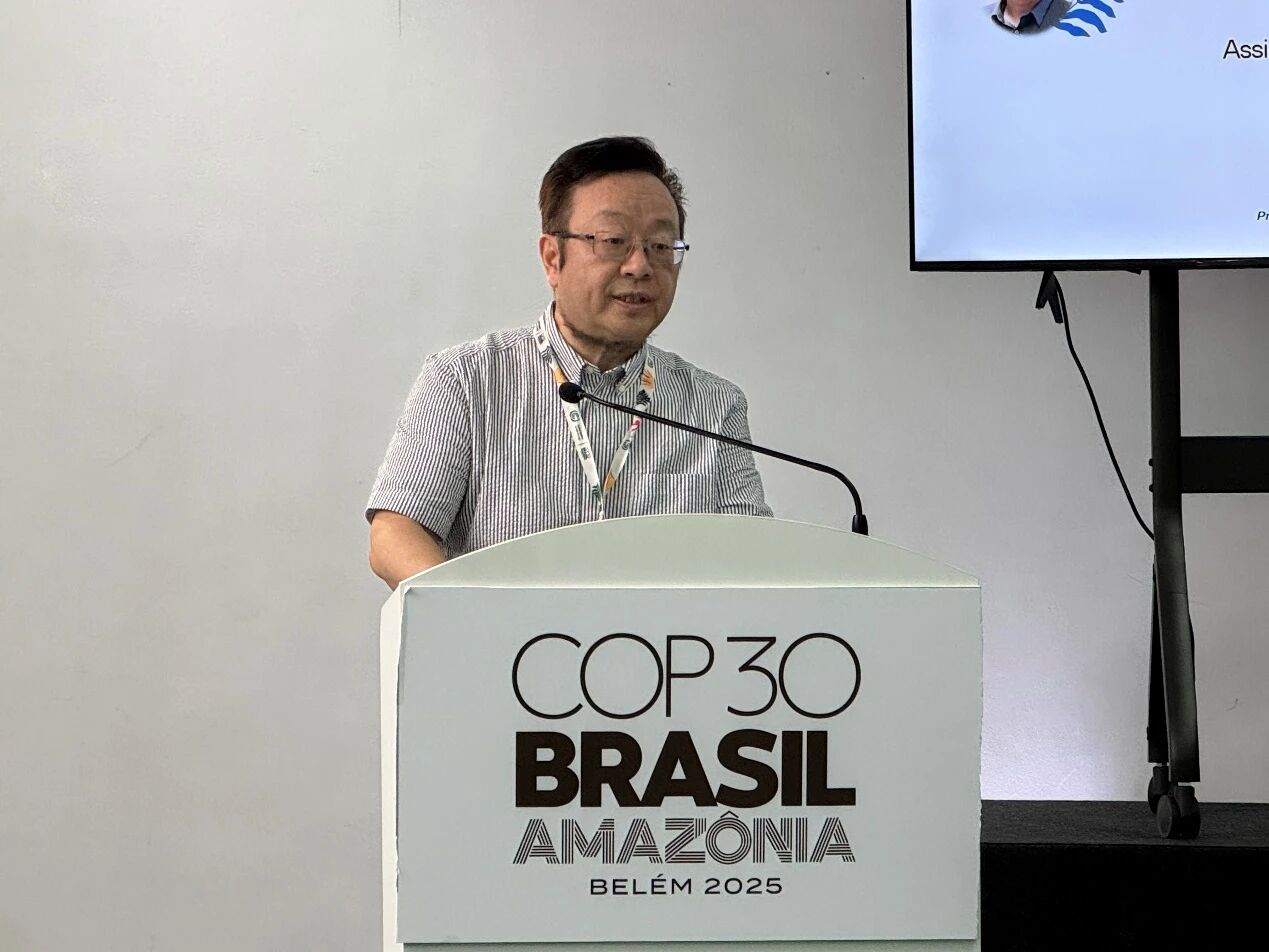
He Kebin Delivering Speech
Piers Forster, Chair of the UK Climate Change Committee, was invited to deliver a keynote report titled "How do long-term policy goals survive challenging times?" He introduced the core policy experiences of the UK's carbon budget system in effectively driving greenhouse gas emission reductions, including setting carbon budget targets on a five-year cycle and 12 years in advance, stable policies to incentivize private investment, maintaining policy flexibility, independent progress monitoring and parliamentary review, and government and industry support. He also proposed suggestions for improving future carbon budget policies, such as reducing policy prescriptions and incorporating more public perspectives.
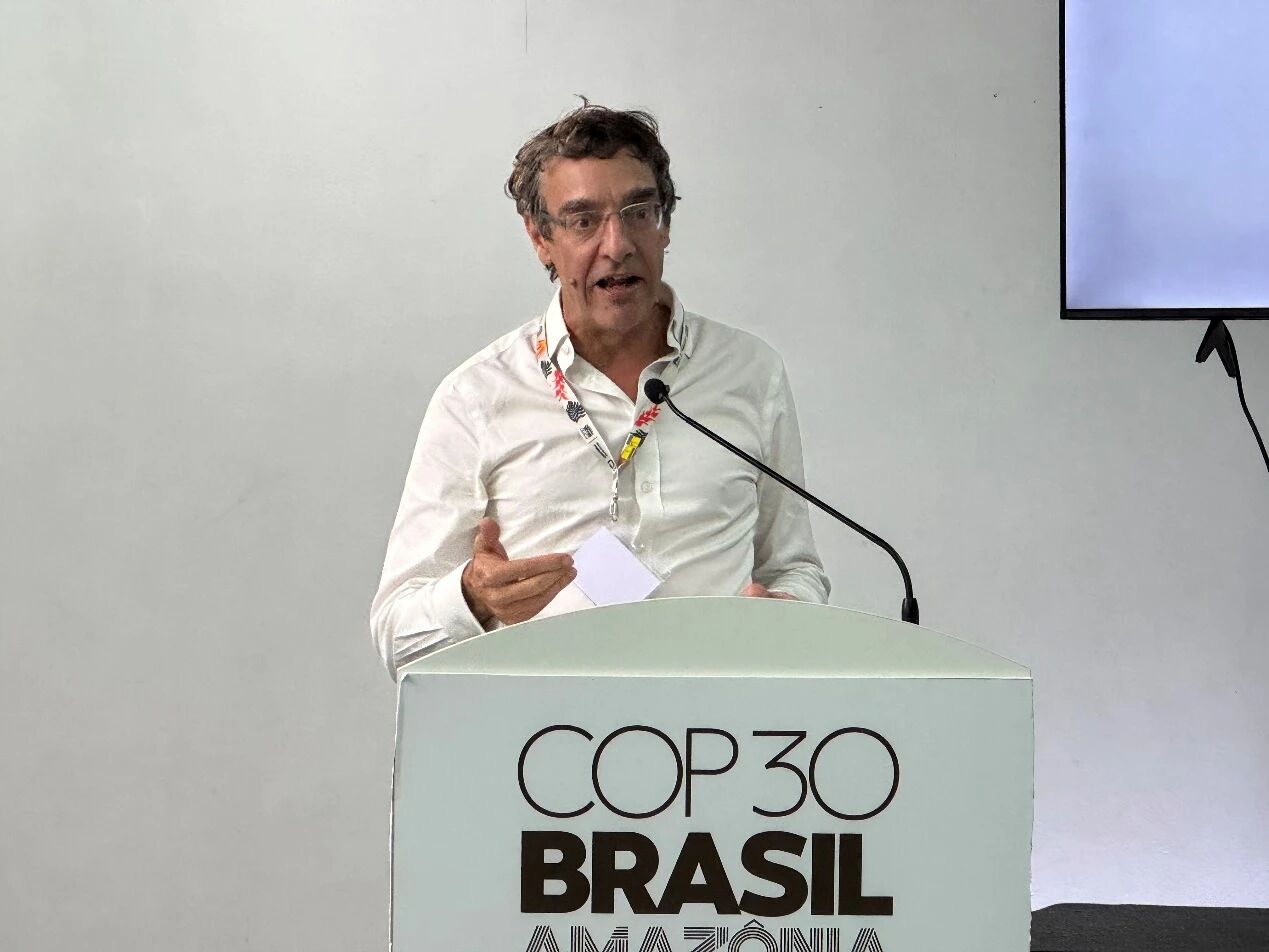
Piers Forster Delivering Keynote Report
Massamba Thioye, Principal Advisor for Climate and Sustainable Innovation at the UN Climate Change Secretariat and Advisor to Technology Review for Carbon Neutrality (TRCN), delivered a keynote report titled "Integrated innovations and system transformation for carbon neutrality". He pointed out that traditional climate actions focus only on single technologies, single sectors, and incremental changes, but carbon neutrality requires transforming the Earth's social and technological structures and feedback arcs. He further proposed a four-point framework for integrated innovation and systemic transformation for carbon neutrality, including planetary intelligence, infrastructure and equipment, Earth integration (technologies, policies, financing, communication tools, etc.), and shared prosperity at the cultural and societal level.
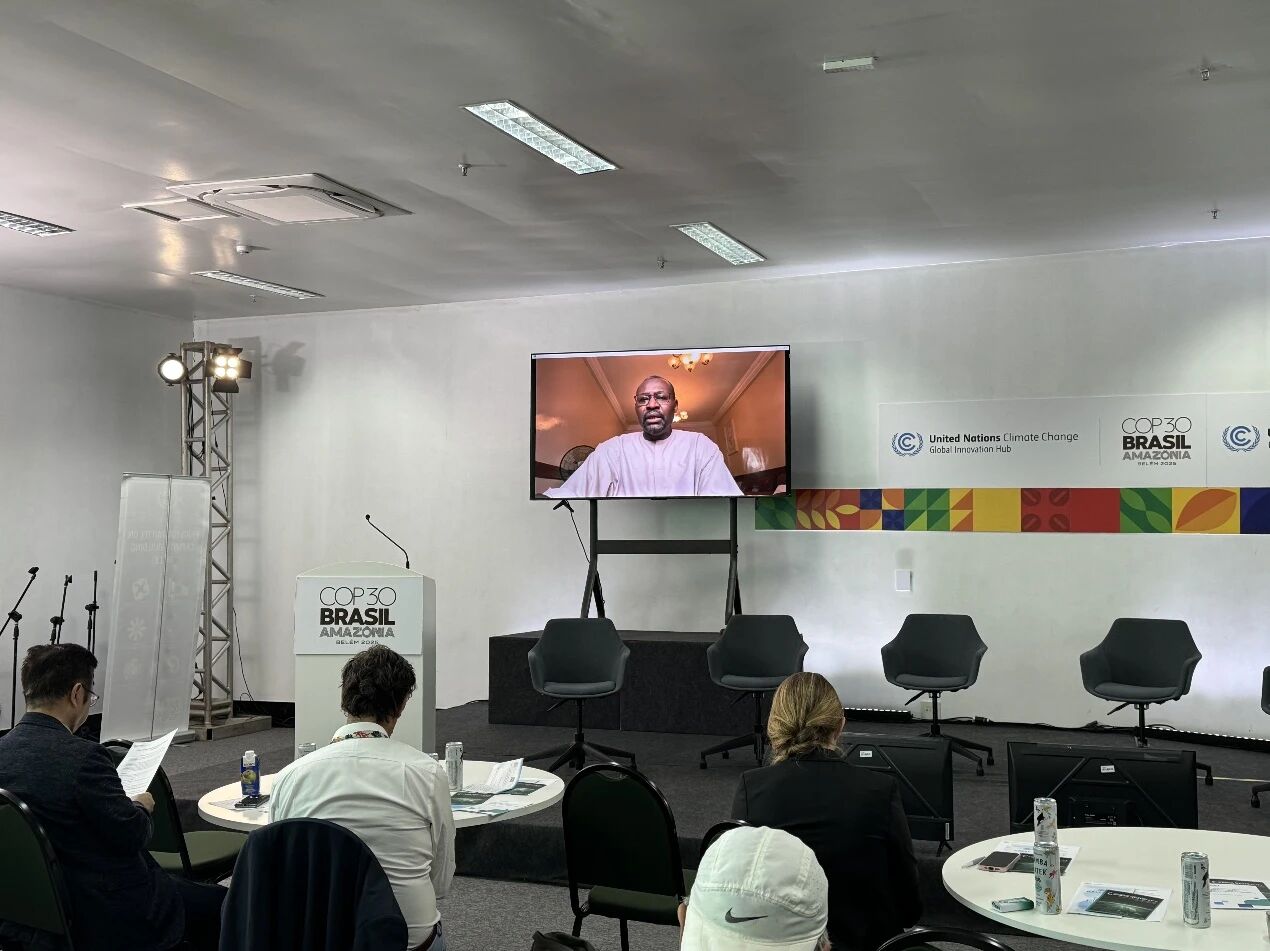
Massamba Thioye Delivering Keynote Report via Video
Lu Xi, Assistant Dean of the Institute for Carbon Neutrality, Tsinghua University, and Executive Editor-in-Chief of Technology Review for Carbon Neutrality (TRCN), chaired the side event and delivered a keynote report titled "Tracking and catalysing innovations for carbon neutrality and energy system transformation". He introduced the basic overview of the Institute for Carbon Neutrality, Tsinghua University, stating that the "Carbon Neutrality and Energy System Transformation" (CNEST) multilateral collaboration program and the journal Technology Review for Carbon Neutrality (TRCN) aim to build a global platform for exchange and cooperation, promoting research and innovation in the field of global carbon neutrality and energy system transformation.
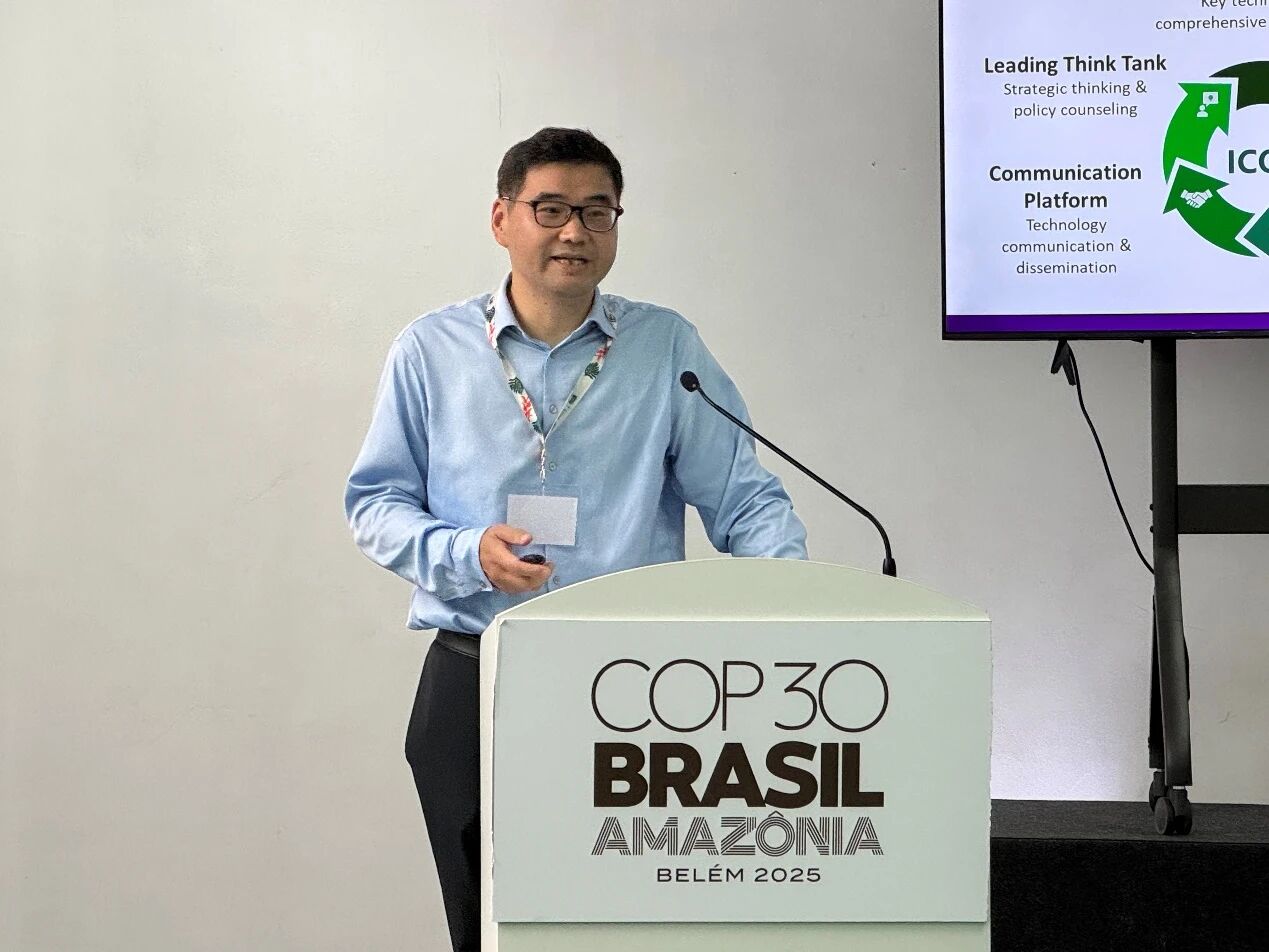
Lu Xi Chairing the Side Event and Delivering Keynote Report
Subsequently, the side event held a roundtable dialogue exploring "What innovations and collaborations for carbon neutrality and energy system transformation?" Participants in the roundtable dialogue included Li Zheng, Dean of the Institute of Climate Change and Sustainable Development, Tsinghua University; Kira Vinke, Director of the Center for Climate and Foreign Policy, German Council on Foreign Relations; and Maximilian Jungmann, Managing Director of the Heidelberg Center for the Environment, Heidelberg University. Li Zheng pointed out that carbon neutrality and energy system transformation require breakthroughs in several technological innovations, including stability control and optimization of power grids after integrating a high proportion of new energy, deep decarbonization of industry, and CCS. Kira Vinke noted that Germany's policies and practical experiences in the gradual phase-out of coal power could serve as references for developing countries. Maximilian Jungmann expressed willingness to strengthen communication and cooperation with Tsinghua University to jointly promote carbon neutrality and energy system transformation. The dialogue was moderated by Zhong Yijing, Director for Technology Communication at the Institute for Carbon Neutrality, Tsinghua University, and Operations Director of Technology Review for Carbon Neutrality (TRCN).
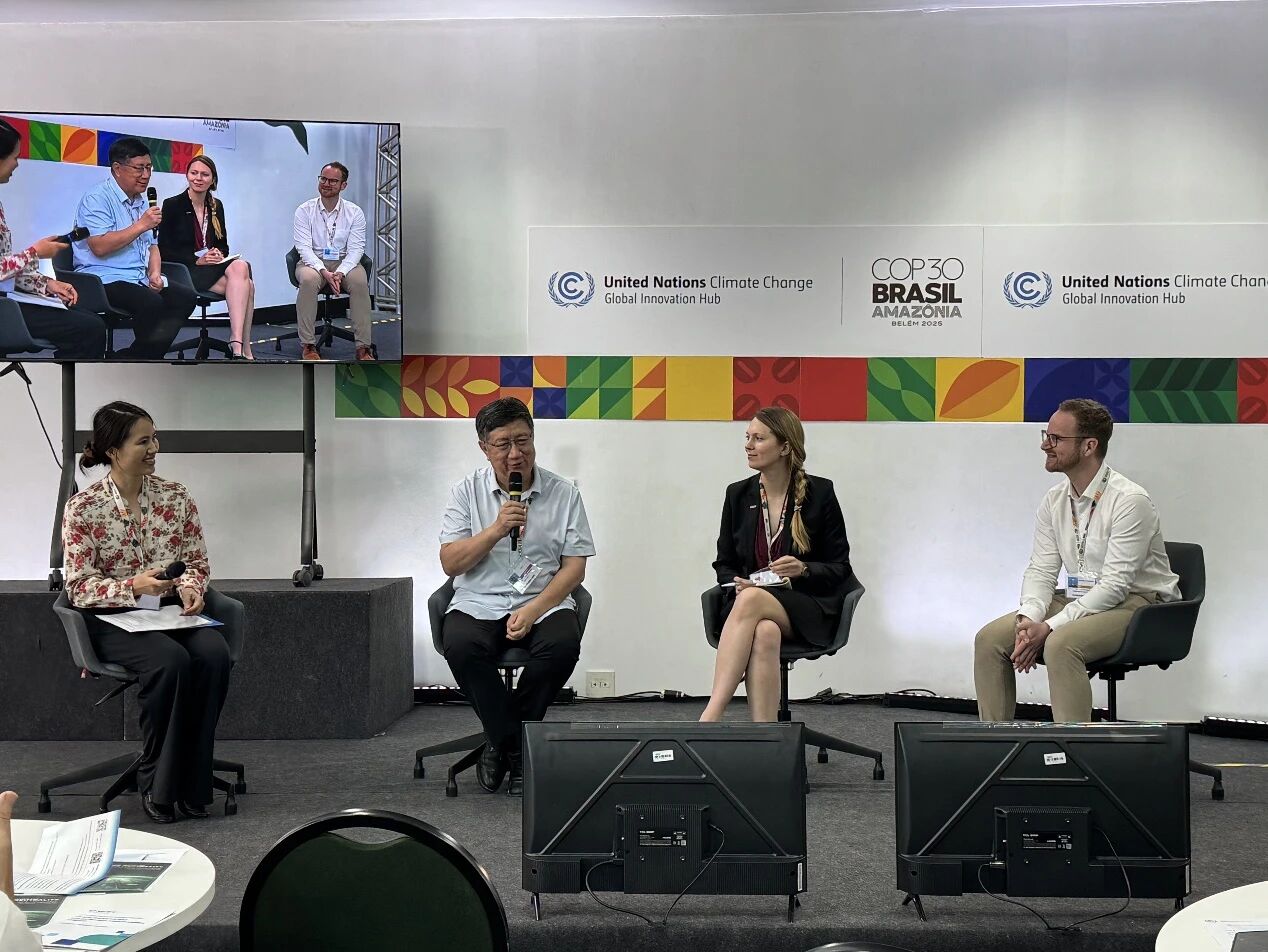
Li Zheng, Kira Vinke, Maximilian Jungmann Participating in the Roundtable Dialogue; Zhong Yijing Moderating
This side event effectively promoted the "Carbon Neutrality and Energy System Transformation" (CNEST) multilateral collaboration program initiated by Tsinghua University and its global communication platform, the journal Technology Review for Carbon Neutrality (TRCN). It fostered exchanges and cooperation with relevant institutions such as the UN Climate Change Secretariat, contributing significant efforts to advancing carbon neutrality and energy system transformation and accelerating the global climate governance process.
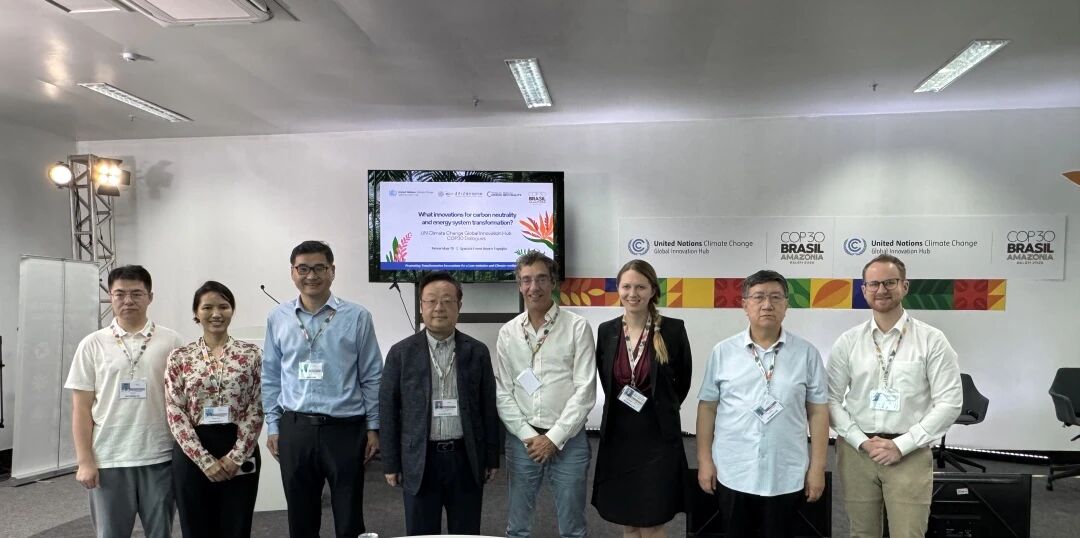
Group Photo of Some Participating Guests


 Latest recommendations